

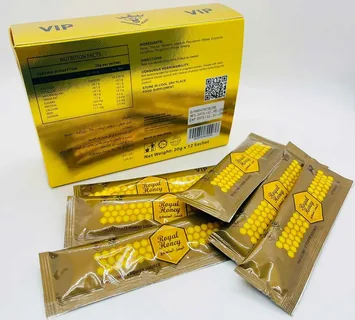
If you run a coffee shop, guesthouse, or game lodge in South Africa, you already know the honey debate. Do you put out a squeeze bottle on the table and hope for the best, or go with individual honey sachets and keep things clean and controlled? At home, the question is slightly different but just as real: which format actually helps you use less and waste less?
Both options have their place, and neither is universally better. The right choice depends on where the honey is being used, who is using it, and whether consistent portioning actually matters to your operation or your household.
What is the Difference Between Honey Sachets and Squeeze Bottles?
Honey sachets and squeeze bottles are both designed to make honey easier to use, but they approach portion control from completely different angles. A sachet is a single-use sealed packet containing a fixed amount of honey, typically between 7g and 15g depending on the format. On the other hand, a squeeze bottle is a reusable or bulk-refill container that lets you dispense as much or as little as you like through a nozzle.
The core difference between them comes down to control. Sachets enforce a portion by design. Squeeze bottles put the control entirely in the hands of the person squeezing.
Types of Honey Sachets Available
Not all sachets are the same format, and the type you choose affects how easy they are to use.
- Flat sachets: Small sealed packets that tear open from a corner, common in hotels and restaurants
- Stick packs: Long, narrow tubes sealed at both ends, easy to squeeze directly into tea or coffee
- Portion cups: Small sealed tubs with a peel-back lid, common on breakfast buffets at guesthouses and lodges
Types of Squeeze Bottles Available
Squeeze bottles also come in several configurations depending on the setting.
- Tabletop squeeze bottles: Standard restaurant and café format, refillable, with a narrow nozzle
- Single-serve squeeze packs: Small flexible pouches that act like sachets but with a squeezable body
- Bulk squeeze dispensers: Larger bottles for high-volume settings like hotel buffets or catering operations
How Do Honey Sachets Help With Portion Control?
Since each honey sachet has a pre-measured amount, there is no need to estimate or pour from a jar. You simply tear, squeeze, and get the right amount every time, which means no messy leftover honey and no risk of accidentally using too much.
For a coffee shop or guesthouse, this matters more than it might seem. When you know exactly how much honey goes into each portion, you can forecast stock accurately, control costs per guest, and eliminate the silent wastage that happens when customers help themselves from a shared bottle.
Why Sachets Work for Portion Control
Every sachet contains a fixed weight of honey, which removes the human variable entirely. Whether it is a child at a family B&B or a guest at a five-star lodge, the portion delivered is the same every time.
Benefits of Sachets for Portion Control
- Fixed portion per serving: No guesswork, no over-dispensing, no waste
- Accurate cost forecasting: You know the exact cost per guest before service begins
- No topping up required: Once a sachet is opened, it is used entirely or discarded
- Hygienic single use: Each guest receives an untouched, sealed portion
Sachet Portion Sizes and What They Suit
| Sachet Size | Approximate Volume | Best Suited For |
| 7g | Just under a teaspoon | Single cup of tea or rooibos |
| 9g to 12g | About one teaspoon | Coffee, hot chocolate, porridge |
| 14g to 15g | Just over one teaspoon | Breakfast spreads, drizzling over food |
How Do Squeeze Bottles Help With Portion Control?
Squeeze bottles do not enforce portion control the way sachets do, but they offer something sachets cannot: flexibility. A person making a cup of tea at home knows exactly how sweet they like it, and squeezing a little more or a little less from a bottle is far more practical than opening two sachets to get the right amount.
For home use, the squeeze bottle is genuinely the better day-to-day format. The nozzle gives you precision when you want it, and the bottle keeps the honey contained and easy to use without a spoon.
Why Squeeze Bottles Work in the Right Setting
A well-designed squeeze bottle with a narrow nozzle allows you to control the flow without the dripping and mess associated with a jar and spoon. The nozzle seals between uses, which keeps the honey fresh and the bottle clean.
Benefits of Squeeze Bottles for Portion Control
- Adjustable dispensing: More or less honey depending on what you are making
- Precision nozzle: Thin stream suits drizzling over food or into drinks without excess
- Reusable format: Less packaging waste per use compared to single-serve sachets
- Cost-effective at volume: Bulk honey in a squeeze bottle costs less per gram than sachets
Honey Sachets vs Squeeze Bottles: A Direct Comparison
Choosing between the two formats is easier once you lay them side by side across the factors that matter most for your situation.
| Factor | Honey Sachets | Squeeze Bottles |
| Portion consistency | Fixed, identical every time | Variable, user-dependent |
| Hygiene | Individual, untouched per guest | Shared, touched by multiple users |
| Waste per use | Near zero if fully used | Can lead to over-dispensing |
| Cost per gram | Higher due to individual packaging | Lower, especially at bulk volume |
| Convenience at home | Practical but creates packaging waste | Easier for everyday kitchen use |
| Best for hospitality | Hotels, lodges, guesthouses, buffets | Cafés, restaurants with table service |
| Stock management | Straightforward, count per unit | Requires monitoring refill levels |
| Environmental impact | Higher packaging waste per serving | Lower packaging per gram of honey |
Which Format Works Best for Different Settings?
Neither format wins across every situation. The right choice depends on where the honey is being used and who is using it.
Hotels, Game Lodges, and Guesthouses
Sachets are the practical choice for hospitality settings where hygiene, cost predictability, and ease of service matter most.
- Buffet hygiene: Sealed sachets eliminate shared contact between guests and the same honey source
- Cost predictability: Two sachets per guest is a fixed, forecastable cost per head
- Presentation: Individual sachets look considered and premium on a breakfast table
- No refilling during service: Stock is managed by count, not by monitoring bottle levels
- Portability: Easy to place on trays, in rooms, or at conference tables without mess
Restaurants and Coffee Shops
A squeeze bottle suits table service in a café or restaurant where staff are present, and hygiene is managed between sittings.
- Flexible dispensing: Customers control exactly how much goes into their flat white or rooibos
- No wasted sachets: One bottle serves the whole table without multiple wrappers
- Easy to wipe down: A staff member can clean the nozzle between tables during service.
- Lower cost per gram: Bulk honey in a squeeze bottle costs less than individually packaged sachets
Home Use
Squeeze bottles are the better everyday choice for home kitchens where flexibility and low cost per gram matter more than strict portion control.
- Cheaper per gram: Bulk honey in a squeeze bottle is more cost-effective for daily use
- Less packaging waste: Fewer wrappers generated per use compared to sachets
- Flexible amounts: Use as much or as little as needed without opening multiple packets
- Easy storage: Sits upright in a cupboard or on a counter without spilling
Braais, Outdoor Catering, and Events
Sachets are the clear winner for outdoor use and catering where hygiene and portability take priority.
- No spillage: Sealed sachets travel safely without leaking in a bag or catering kit
- Insect resistant: A sealed sachet does not attract bees or ants the way an open bottle does
- No utensils needed: Tear and squeeze directly onto food without a spoon or drip guard
- Hygienic in shared settings: Each person gets their own untouched and sealed portion
Read More: Where Can I Buy Honey Sachets in South Africa?
What Are the Downsides of Each Format?
Here is what each one gets wrong so you can decide which trade-off you are more comfortable with.
Downsides of Honey Sachets
Sachets cost more per gram than bulk formats and generate more packaging waste per serving. For a high-volume business, both of these add up quickly.
- Higher cost per gram: Individual packaging adds cost that bulk formats avoid
- More packaging waste: Each sachet creates a wrapper that most South African municipalities cannot recycle
- Fixed portion only: No flexibility for guests who want more or less than the standard amount
- Crystallisation risk: Sachets stored in cool conditions can crystallise before they are used
Downsides of Squeeze Bottles
A shared squeeze bottle in a public setting is difficult to keep hygienic. The nozzle accumulates dried honey, attracts insects, and needs regular cleaning throughout service.
- Hygiene risk: Multiple guests touching the same bottle raises cross-contamination concerns
- Over-dispensing: Without a fixed portion, guests regularly use more than intended
- Nozzle maintenance: Dried honey blocks the tip and requires cleaning during service
- Refilling: Staff need to monitor levels and top up during busy periods
FAQs
Are Honey Sachets Better Than Squeeze Bottles For Portion Control?
For strict portion control, yes. Honey sachets contain a fixed amount of honey in every pack, ensuring consistency between servings. Squeeze bottles offer more flexibility but can lead to overuse or uneven portions. For hospitality businesses focused on cost control and accurate stock forecasting, sachets are usually the better option.
How Much Honey Is In A Standard Sachet?
Most honey sachets contain between 7g and 15g of honey. Smaller 7g portions are commonly used for tea, coffee, or rooibos, while 14g to 15g sachets are better suited for toast, breakfast spreads, or food service applications.
Are Squeeze Bottles More Hygienic Than Sachets?
No, individually sealed sachets are generally more hygienic because each portion remains untouched until opened by the user. Squeeze bottles are handled repeatedly and require regular cleaning to prevent honey buildup around the nozzle.
Which Is More Cost-Effective For Restaurants Or Guesthouses?
Squeeze bottles typically have a lower cost per gram because they use bulk honey. However, sachets can reduce waste, improve portion control, and simplify inventory management. The most cost-effective choice depends on your serving volume and how important consistency is to your operation.
Can Honey Sachets Be Used At A Braai Or Outdoor Catering Event?
Yes, honey sachets are well suited to outdoor events because they are portable, easy to distribute, and resistant to spills. Their sealed design also helps keep the honey clean in outdoor environments where dust, wind, and insects may be present.
Do Honey Sachets Crystallise?
Yes, pure honey naturally crystallises over time, regardless of packaging. Sachets stored in cooler conditions may crystallise faster. Keeping stock at room temperature and following a first-in, first-out rotation system helps maintain product quality and minimise crystallisation.
Final Note
Honey sachets are better for portion control in shared, public, and hospitality settings where consistency, hygiene, and cost predictability matter. Squeeze bottles are better for home use, table service in restaurants, and anywhere flexibility and lower cost per gram are the priority.
For South African guesthouses, game lodges, and breakfast establishments, honey sachets take the guesswork out of portioning and keep your honey service clean, professional, and easy to manage. Fleures Honey supplies pure, raw South African wildflower honey in both sachet and bulk formats, making it straightforward to stock the right format for your business or home.
Get in touch with the team to discuss which honey sachets or bulk honey option best suits your needs.
