

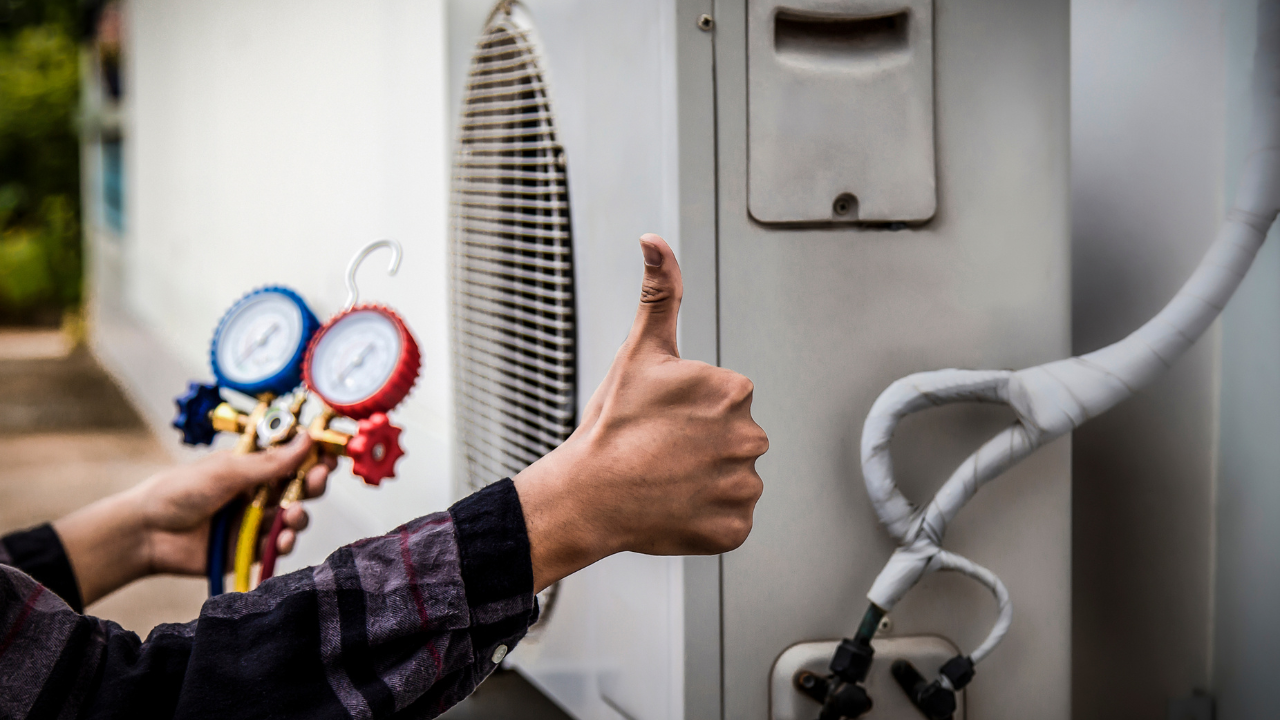
A furnace problem can quickly turn from an inconvenience into a serious household concern, especially when the system stops heating unexpectedly, produces unusual odors, makes alarming sounds, or shows signs of an electrical or combustion problem. Knowing what to do before a technician arrives can help protect your home, your family, and the heating equipment.
For Orange County homeowners, understanding when a furnace issue requires immediate professional attention is particularly important. Some problems may be minor, while others can involve fire hazards, gas leaks, or carbon monoxide exposure.
What Counts as a Furnace Emergency?
Not every furnace problem requires an emergency service call. A dirty filter or uneven heating may be inconvenient but can often wait for a scheduled appointment. However, certain symptoms require faster action.
Examples of potentially urgent problems include:
- A furnace that suddenly stops operating during cold weather
- A strong gas odor
- A carbon monoxide alarm that activates
- Smoke or burning smells coming from the furnace
- Sparks, electrical burning odors, or visible electrical damage
- Loud banging, popping, or grinding sounds
- A furnace repeatedly shutting down
- A suspected blocked or damaged exhaust vent
Fuel-burning furnaces can produce carbon monoxide if they malfunction, are improperly maintained, or have ventilation problems. The U.S. Consumer Product Safety Commission recommends professional inspection and servicing of fuel-burning heating systems and stresses the importance of working carbon monoxide alarms.
What to Do If You Smell Gas
A suspected gas leak should never be treated as an ordinary furnace repair.
If you smell natural gas or hear what may be a gas leak, leave the home immediately. Do not operate lights, switches, phones, or other electrical equipment inside the building. Contact the appropriate emergency or gas service from a safe location outside.
Do not attempt to locate or repair the leak yourself. A qualified professional should determine the source and make the necessary repairs.
Take a Carbon Monoxide Alarm Seriously
Carbon monoxide is colorless and odorless, meaning homeowners cannot reliably detect it with their senses. Symptoms of exposure can include headache, dizziness, nausea, fatigue, shortness of breath, and confusion.
If a carbon monoxide alarm sounds, leave the home and move to fresh air. Contact emergency services and do not re-enter until authorities indicate that it is safe. A furnace suspected of producing carbon monoxide should remain out of operation until it has been properly inspected and serviced.
Common Reasons a Furnace Suddenly Stops Working
Several problems can cause an unexpected furnace shutdown. Some are relatively simple, while others require professional diagnosis.
Dirty or Restricted Air Filters
A severely dirty filter can restrict airflow and cause the furnace to overheat. Safety controls may then shut the system down to prevent damage.
Replacing a filter according to the manufacturer’s recommendations is an important maintenance step. However, if the furnace continues shutting down after the filter has been replaced, professional diagnosis is appropriate.
Ignition Problems
Gas furnaces depend on an ignition system to start combustion. Faulty ignition components can result in repeated startup failures or a furnace that produces no heat.
Because combustion systems involve gas and controlled ignition, homeowners should not attempt complicated repairs themselves.
Thermostat Problems
Sometimes the furnace is functioning properly but is not receiving the correct signal from the thermostat. Incorrect settings, depleted batteries, wiring problems, or thermostat failures can all affect operation.
Checking the thermostat setting and batteries is a reasonable first step. If the system still does not respond, a technician can determine whether the issue is electrical or mechanical.
Blower Motor Problems
The blower distributes heated air through the home’s ductwork. A failing blower motor can result in weak airflow, unusual sounds, overheating, or a complete loss of heating.
Because electrical components are involved, repairs should generally be handled by a qualified HVAC professional.
When to Call for Furnace Repair Orange County Services
Homeowners should arrange professional service when basic checks do not resolve the problem or when the furnace shows signs of a potentially dangerous malfunction.
Professional furnace repair Orange County services can involve diagnosing electrical components, ignition systems, airflow problems, blower motors, safety controls, combustion performance, and ventilation.
A qualified technician should inspect the system rather than simply replacing a component based on symptoms. Proper diagnosis can help identify the underlying cause and reduce the possibility of the same failure happening again.
What a Technician May Check During an Emergency Visit
An emergency furnace inspection can involve several stages. Depending on the symptoms, a technician may examine:
- Thermostat operation
- Electrical connections
- Circuit protection
- Air filters and airflow
- Blower operation
- Ignition components
- Gas supply and combustion
- Safety switches
- Heat exchanger condition
- Exhaust and venting
- Carbon monoxide levels
- Furnace control board
- Ductwork and airflow restrictions
The exact inspection depends on the type of furnace and the symptoms reported.
Should You Repair or Replace the Furnace?
An emergency repair does not automatically mean that the furnace needs to be replaced.
The decision can depend on the furnace’s age, repair history, condition, efficiency, availability of replacement parts, and estimated repair cost. A relatively minor component failure on a well-maintained furnace may justify repair, while repeated major failures on an aging system may lead a homeowner to consider replacement.
A professional evaluation can provide the information needed to compare the immediate repair with longer-term heating costs and reliability.
What Homeowners Should Avoid Doing
During a furnace emergency, trying to save money with an improvised repair can create additional risks.
Avoid:
- Opening gas components without proper training
- Bypassing furnace safety switches
- Attempting electrical repairs without appropriate expertise
- Continuing to operate a furnace that produces smoke
- Ignoring unusual combustion odors
- Using a gas oven or range as a home heating source
- Ignoring a carbon monoxide alarm
The CPSC specifically advises consumers not to service fuel-burning appliances without the appropriate knowledge, skills, and tools.
Temporary Heating: Use Extra Caution
If your furnace stops working, you may need temporary heating while waiting for repairs. Use only heating equipment designed and approved for indoor use, and follow the manufacturer’s instructions.
Portable electric heaters should be placed on stable surfaces and kept away from combustible materials. The CPSC also advises against using generators, grills, or outdoor heating equipment inside homes, garages, or other enclosed spaces because they can create dangerous carbon monoxide levels.
Preventing Future Furnace Emergencies
Preventive maintenance can reduce the likelihood of unexpected failures. Homeowners should follow the manufacturer’s recommended maintenance schedule and keep filters appropriately maintained.
For fuel-burning heating systems, professional annual inspection is especially important. The CPSC recommends having heating systems, including furnaces and their associated vents and chimneys, inspected and serviced annually by trained professionals.
Homeowners should also make sure carbon monoxide alarms are installed according to manufacturer instructions. The CPSC recommends alarms on every level of the home and outside sleeping areas, with battery backup where appropriate.
Final Thoughts for Orange County Homeowners
A furnace failure does not always represent a major emergency, but certain warning signs should never be ignored. Gas odors, carbon monoxide alarms, smoke, electrical burning smells, and serious combustion or ventilation concerns require immediate attention.
The safest approach is to shut down a questionable system when appropriate, move occupants away from a potential hazard, and have the problem assessed by a qualified professional. Routine maintenance, timely repairs, and functioning carbon monoxide alarms can also help reduce the risks associated with furnace operation and unexpected heating failures.
