

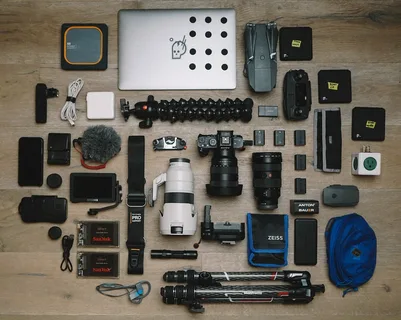
Ensure that your equipment is ready for the unique challenges posed by hostile terrains. Invest in weather-sealed cameras and lenses to protect against moisture and temperature fluctuations, as these conditions can significantly affect performance and durability.
Utilize high ISO settings to maintain clarity in low-light situations, which are common in places such as dense forests or during stormy weather. Keep extra batteries handy; colder climates can drastically reduce battery life.
Aim to carry a reliable method for tracking time, whether through GPS systems or specialized watches designed to perform under pressure. This can aid in planning shoots when natural light conditions change rapidly.
Experiment with manual focus settings, as autofocus can struggle in challenging light or fast-moving conditions. Also, familiarize yourself with local weather patterns; forecasting tools can assist in predicting changes that may impact both picture quality and timing during your outdoor endeavors.
Lastly, practice mindfulness in your approach. Being present allows for better connection with the surroundings, enhancing not only your ability to capture stunning visuals but also to immerse yourself in the rhythm of nature.
Techniques for Capturing Moments and Tracking Time in Harsh Conditions
Utilize weather-sealed gear designed for rugged settings. Opt for equipment with robust build quality and protective features to withstand harsh climates.
For successful imagery in low-light situations, invest in fast lenses with wide apertures. High ISO performance is key; select a camera capable of maintaining quality at elevated ISO settings.
- Use tripods or stabilizers for steady shots in windy conditions.
- Incorporate filters to manage reflections and improve clarity in bright sunlight.
- Practice adjustments to settings before deploying in real situations to ensure readiness.
Precision in monitoring time is enhanced with reliable devices, especially in remote areas where conventional tools may fail. Solar-powered or kinetic wristwatches work well.
Utilize GPS units with built-in altimeters and barometers for accurate positioning and environmental insights. These can be vital for location-specific conditions.
- Regularly calibrate your instruments to maintain accuracy.
- Document environmental changes meticulously, integrating timestamps for future reference.
For further insights on gear and accessories, visit Cameras Review.
Choosing the Right Camera Equipment for Harsh Conditions
Select a model designed for durability; options like the Canon EOS-1D X Mark III or Nikon D6 offer weather sealing and robust construction. Mirrorless alternatives, such as the Sony A7R IV, incorporate similar features with a lighter body.
- Lens selections: Opt for fast lenses with weather resistance. Look for focal lengths that suit your subject; a 24-70mm f/2.8 is versatile, while a 70-200mm f/2.8 provides excellent reach.
- Filters: Use UV or polarizing filters to protect your glass from scratches and environmental elements while enhancing image clarity.
- Stabilization: Built-in image stabilization helps reduce shake when using longer exposures, especially in challenging atmospheres.
Battery choices are critical; consider high-capacity options or even external power solutions. Cold conditions can drain batteries quickly, so carry spares and keep them warm in pockets or insulated cases.
- Tripods: Choose sturdy tripods made of lightweight materials like carbon fiber. Stability is paramount; consider models that can withstand wind and rough terrain.
- Cameras with high ISO capabilities: These are beneficial when light levels drop unexpectedly. Models with good noise performance allow for higher ISO settings without sacrificing detail.
Utilize protective gear: invest in weatherproof bags and covers for both your camera and lenses. A lens hood can help shield from debris and rain while improving contrast.
Finally, test your equipment in less demanding conditions first. Familiarity will boost your confidence when photographing in more challenging scenarios.
Techniques for Capturing Light in Low-Visibility Situations
Utilize a fast lens with a wide aperture, such as f/1.4 or f/1.8, to maximize light intake. Such lenses are beneficial for shooting in dim conditions, allowing for shorter exposure times and reducing image blur.
Implement higher ISO settings to enhance sensor sensitivity. However, balance is key; excessive ISO can introduce noise. Start with ISO 800 and adjust based on results, focusing on maintaining image quality.
Employ long exposure techniques using a sturdy tripod. This minimizes camera shake and allows light to accumulate over time, providing illumination in low-light settings. Utilize remote shutter releases or self-timers to prevent vibrations when triggering the shutter.
Experiment with slow sync flash to combine ambient light with flash illumination. This method can add depth and texture to images, creating a more dynamic range of light.
Utilize manual focus instead of auto-focus, as low-light conditions often confuse autofocus systems. Ensure accuracy by adjusting focus manually, particularly in critical situations.
Consider using light modifiers like reflectors or diffusers, which help soften and spread light for a more even exposure. Such tools are valuable when facing harsh, direct light sources.
For unique captures, incorporate time-lapse techniques. Setting intervals can document changes in light over time, allowing for stunning visual storytelling even in challenging visibility.
Explore the potential of post-processing software. Adjust brightness, contrast, and exposure in editing programs to enhance details lost in the shadows of low-light shots.
Recommended resources for gear include LensGearPro for specialized equipment and Wrist Chronicles for timekeeping accessories ideal for demanding conditions.
Best Practices for Maintaining Time Accuracy in Remote Locations
Select a reliable time source. Using GPS or atomic clocks can provide precise synchronization. Ensure devices receive signals regularly, especially in areas prone to interference.
Calibrate timekeeping instruments regularly. Periodic checks against a standard reference, like Coordinated Universal Time (UTC), help maintain accuracy. Set reminders for these calibrations based on your location’s unique conditions.
Utilize Local Time References
Embrace local astronomical events, such as solar noon or celestial observations, to gauge time. Familiarity with sun path and stars helps establish a consistent routine in areas lacking modern infrastructure.
When possible, utilize mobile applications that remain functional offline. These tools can aid in tracking time while avoiding dependency on inconsistent signals.
Backup Systems for Reliability
Implement redundant systems for time tracking. Combining mechanical clocks or sundials alongside digital devices reduces the risk of total failure. Ensure each device has a distinct power source, accounting for scenarios where one might fail due to environmental factors.
Keep spare batteries and alternative charging methods handy. In remote areas, energy sources can be limited; therefore, eco-friendly solutions like solar chargers can provide a sustainable option for keeping devices operational.
Document any anomalies in timekeeping and adjust schedules accordingly. An ongoing log of discrepancies enables better understanding and future adjustments.
Adjusting Exposure Settings in Harsh Weather Conditions
Utilize manual settings to gain full control over the aperture, shutter speed, and ISO. This approach minimizes the impact of unpredictable light variations and ensures optimal capture results.
ISO Considerations
Start with a low ISO (100-200) in bright conditions. In significant cloud cover or snowy areas, increase it to 400 or 800 to enhance sensitivity without introducing excessive noise. Always check for grain, particularly in shadowed regions.
Aperture and Shutter Speed
Set a wider aperture (f/2.8 to f/4) for low-light scenarios to allow more light; however, this may compromise depth of field. For scenes with high contrast, a narrow aperture (f/8 to f/16) is beneficial. Adjust shutter speed according to the movement in the scene: use faster speeds (1/500 or 1/1000) to freeze action or slower speeds (1/60 or lower) for intentional motion blur.
Take bracketed exposures to capture a range of settings and select optimal results during post-processing. This technique also aids in managing unpredictable shifts in light quality caused by weather fluctuations.
In whiteout conditions, consider using exposure compensation to prevent underexposed images; typically, a +1 or +2 stop adjustment is effective. Monitor your histogram and adjust as needed to avoid clipping highlights or losing detail in shadows.
Use of Time-lapse Photography for Documenting Environmental Changes
Implement intervals of appropriate duration to capture gradual transformations in natural processes. Aiming for one frame every 5 to 10 minutes is often sufficient for documenting phenomena such as glacier movements or plant growth. Adjust the interval based on the speed of change observed in the field; faster changes may require shorter intervals, while slower developments can warrant longer gaps.
Hardware Considerations
Utilize a sturdy tripod to minimize vibrations during shooting, ensuring consistent framing throughout the duration of the project. Invest in a remote shutter release or intervalometer, which automates capturing frames at set intervals without manual intervention. Consider weatherproof housing for the camera to safeguard against moisture, dust, and temperature extremes.
Data Management
Establish a robust data handling workflow. Regularly transfer images to external storage to prevent loss due to device malfunction. Organize files by date and location for efficient access during editing and presentation stages. Utilize cloud storage for an additional layer of security, ensuring that data is preserved even in unpredictable conditions.
| Technique | Recommended Interval | Ideal Conditions |
| Glacier Movement | 5-10 minutes | Daylight hours, minimal weather disruption |
| Plant Growth | 1 hour | Consistent light, stable temperature |
| Cloud Formation | 30 seconds to 1 minute | Clear visibility, dynamic cloud conditions |
Monitor battery life closely, as capturing thousands of images can quickly deplete power sources. Carry spare batteries and a solar charger to extend operating time in remote locales. Be prepared to handle potential issues, such as memory card failures or unexpected weather changes, by having backup equipment on hand.
Specialized Timekeeping Devices for Adventurous Photographers
Opt for a rugged altimeter watch, which combines altitude measurement with a precise time display. This is invaluable for high-altitude pursuits where both altitude and time tracking are essential for safety and composition planning.
Consider a solar-powered timepiece equipped with GPS functionality. This variant extends battery life in remote locations by harnessing sunlight, ensuring you remain aware of your location and timing without frequent battery changes.
Smartwatches with Environmental Sensors
Smartwatches featuring environmental monitors, such as barometers, hygrometers, and thermometers, allow for real-time tracking of conditions. Select a model that connects to your smartphone, enabling you to log data and assess trends that influence your image capture.
Water-resistant Chronographs
Choose a chronograph with at least 200 meters of water resistance for wet conditions. This ensures functionality, even in rain or when submerged. Additionally, look for models with features such as a stopwatch and countdown timer, facilitating precise timing of your shots.
Q&A:
How can photography be used to document extreme environments?
Photography serves as a powerful tool for capturing the unique aspects of extreme environments. By using specialized equipment like weather-resistant cameras and lenses, photographers can preserve the striking visuals of places such as polar regions, deserts, or high-altitude areas. These images not only showcase the stunning beauty of these locations but also provide valuable scientific data. For instance, documenting glacial retreat or changes in biodiversity can help researchers understand environmental shifts over time. Moreover, photography can evoke emotional responses that raise awareness about conservation efforts in these fragile ecosystems.
What challenges do photographers face when working in extreme conditions?
Photographers operating in extreme conditions encounter numerous challenges. First, the weather can be unpredictable, with extreme cold or heat impacting both the equipment and the photographer’s wellbeing. For example, battery life can significantly decrease in cold temperatures, making it essential to have backup power sources. Second, logistical issues such as limited accessibility can arise, requiring careful planning for transportation and safety. Lastly, the physical demands of extreme environments may require photographers to have a good level of fitness and resilience, as the terrain can be harsh and unforgiving.
How does timekeeping play a role in photography in extreme environments?
Timekeeping is essential in photography, particularly in extreme environments, where daylight hours can be limited or vary dramatically depending on the season. In polar regions, for example, the phenomenon of polar day or night can pose challenges for scheduling shoots. Photographers often have to plan their shoots around the quality of light, which influences how colors and textures are captured. Furthermore, many photographers use time-lapse techniques to record changes over several hours or days, highlighting processes like erosion or plant growth. Accurate timekeeping ensures that these projects are conducted effectively, yielding more compelling visual narratives.
What equipment is recommended for photographing in extreme environments?
When photographing in extreme environments, specific gear is recommended to ensure durability and adaptability. A weather-sealed camera body is crucial to protect against moisture and dust. Lenses with a wide aperture allow for better performance in low light situations common in such areas. Additionally, tripods designed for stability on uneven terrain help maintain sharpness in images. It’s also wise to carry extra batteries and memory cards, as replacements may be hard to come by in remote locations. Filtering tools, such as polarizers, could enhance color saturation and reduce glare, which is particularly useful in bright, reflective conditions often found in snowy or sandy areas.
