

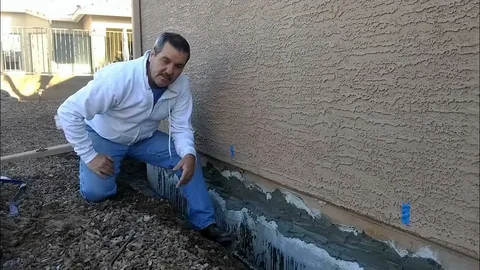
Hairline fractures and widening gaps in walls often raise concern long before their cause is understood. Wall cracks can look similar on the surface while pointing to very different structural conditions below. Careful evaluation allows foundation repair contractors to trace visible damage back to the forces that created it.
Measuring Crack Width, Length, and Direction Along the Wall
Measurements are the first step in understanding what a wall crack is communicating. Width tells part of the story, but length and direction matter just as much. Vertical cracks often behave differently than stair-step or diagonal ones, especially when they stretch across block joints or drywall seams. Contractors document these dimensions to build a baseline that reveals how stress is traveling through the structure. Direction also helps isolate cause. Cracks running from corners of windows or doors may indicate shifting loads, while horizontal cracks often reflect pressure from outside soil. A foundation specialist near me will typically map these lines across the wall surface to see if the crack follows predictable stress paths or shows signs of uneven movement.
Checking If Cracks Widen over Time or Stay Stable
A single inspection only captures a moment. To understand severity, contractors look for changes over time. Marking crack edges or using measurement gauges allows professionals to track whether a crack is actively growing or remaining stable through seasonal cycles. Stability often points to past settlement that has stopped, while widening suggests ongoing movement. Homes with expanding cracks are more likely to need foundation crack repair near me rather than cosmetic patching. This monitoring phase separates structural shifts from harmless aging marks that do not threaten the building’s integrity.
Reviewing Soil Conditions Around the Foundation Perimeter
Soil plays a larger role than many homeowners realize. Expansive clay, loose fill, or poorly compacted soil can apply uneven pressure to foundation walls. Contractors examine grading, drainage paths, and soil composition around the home to see how moisture and weight interact below ground. Dry soil pulls away from the foundation, while saturated soil pushes inward. Both conditions can create cracks that appear indoors first. Foundation repair near me often starts with soil evaluation because correcting exterior conditions may prevent further interior damage.
Comparing Interior and Exterior Crack Patterns
Interior wall cracks rarely tell the full story alone. Contractors compare them with exterior foundation walls, brickwork, or siding to identify matching patterns. A crack that appears inside and outside at the same elevation usually signals structural movement rather than surface material failure.
Exterior evidence can also reveal timing. Weathered or stained cracks may have existed longer than interior drywall damage suggests. Foundation repair contractors use this comparison to determine whether cracks formed from foundation shifting, framing movement, or environmental exposure.
Looking for Matching Floor or Ceiling Movement Signs
Wall cracks often travel with other subtle changes. Uneven floors, sloping hallways, or ceiling separations can confirm that the structure is adjusting under stress. Contractors check floor levels and ceiling joints near cracked walls to see if movement is isolated or widespread.
These secondary signs help pinpoint load transfer problems. A crack paired with floor sagging may indicate footing settlement, while ceiling stress near exterior walls may suggest soil pressure. A foundation specialist near me looks at the house as a system rather than treating cracks as isolated flaws.
Evaluating Footing Depth and Load Distribution
Footings support the entire structure, and their depth determines how well loads are distributed. Shallow or uneven footings may settle differently across sections of the home. Contractors review original plans when available and assess visible foundation elements to estimate footing behavior.
Load distribution also matters. Additions, remodeled spaces, or heavy features like fireplaces can redirect weight in ways the foundation was not designed to handle. These shifts often explain why cracks appear in specific rooms instead of evenly throughout the house.
Testing Moisture Levels near Affected Wall Areas
Moisture readings provide valuable insight into crack development. Contractors test walls and nearby soil for excess moisture that could weaken materials or increase pressure. Elevated readings often correspond with poor drainage or plumbing leaks that silently affect foundation stability.
Water-related cracks may worsen after heavy rain or seasonal thawing. Foundation crack repair near me frequently involves addressing moisture sources alongside structural corrections to prevent repeat damage.
Reviewing the Home’s Age and Construction Method
Construction methods vary widely by era, and each has its own stress points. Older homes may lack modern reinforcement, while newer builds may rely on materials that respond differently to soil movement. Contractors review the home’s age, framing style, and foundation type to place cracks in historical context. This background helps determine whether cracks are expected wear or signs of failure. A home built on a slab will crack differently than one with a crawl space or basement. Foundation repair contractors use this knowledge to select repair methods that align with the structure’s original design.
Professional assessment ties all these observations together into a clear repair plan. Kennedy and Sons can evaluate wall cracks, identify underlying causes, and recommend solutions that stabilize foundations while protecting the home from future movement.
