

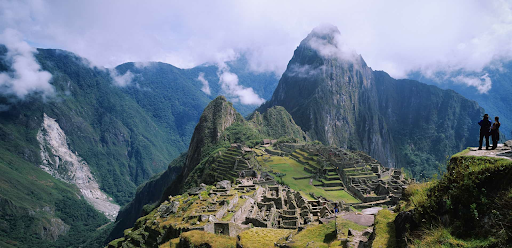
For travelers seeking to experience the majesty of Machu Picchu 2-Day Tour without the exhaustion of a rushed day trip, a two-day tour offers the ideal compromise. This extended itinerary provides ample time to explore the ancient Incan citadel, absorb its mystical atmosphere during different lighting conditions, and enjoy the charming town of Aguas Calientes all while maintaining a comfortable pace that allows for deeper appreciation of one of the world’s most iconic archaeological sites.
Why Choose a 2-Day Tour Over a Day Trip
The difference between visiting Machu Picchu as a day trip versus a two-day excursion is substantial. Day trips from Cusco require waking before dawn, enduring several hours of travel each way, and rushing through the ruins with limited time before beginning the journey back. This compressed schedule leaves visitors exhausted and often feeling they missed experiencing the site’s full magic.
A two-day tour eliminates this frantic pace. You’ll arrive at Aguas Calientes with time to settle into your accommodation, explore the town, perhaps soak in the local hot springs, and rest before your morning visit to the ruins. Most importantly, you can enter Machu Picchu early when morning mist clings to the terraces and fewer crowds occupy the pathways, creating opportunities for contemplation and photography that day-trippers racing against the clock simply cannot enjoy.
Day One: Journey to Aguas Calientes
Your adventure typically begins mid-morning with departure from Cusco, allowing for a civilized start time that doesn’t require a 3 AM wake-up call. The journey to Machu Picchu involves either a scenic train ride from Ollantaytambo or Poroy station, or for budget-conscious travelers, a combination of bus to Hidroelectrica followed by a picturesque two-hour walk along the railway tracks to Aguas Calientes.
The train option, while more expensive, transforms transportation into part of the experience itself. Modern carriages feature panoramic windows that frame the changing landscape as you descend from the high Andes into the cloud forest. The Urubamba River rushes alongside the tracks, its turquoise waters cutting through steep canyon walls draped in vegetation. Companies like PeruRail and Inca Rail offer various service levels, from the economical Expedition class to the luxurious Hiram Bingham train complete with gourmet meals and live entertainment.
Upon arrival in Aguas Calientes officially named Machu Picchu Pueblo you’ll check into your hotel and have the afternoon free. This mountain town, nestled in a narrow valley where the Urubamba and Aguas Calientes rivers converge, exists almost entirely to serve visitors to the ruins. Despite its tourist-oriented nature, the town possesses charm with its compact plaza, artisan markets, restaurants serving traditional Peruvian cuisine, and the namesake hot springs located a short walk uphill from the center.
Many travelers use this afternoon to visit the Aguas Calientes thermal baths, where naturally heated mineral waters offer relaxation after travel. Others prefer exploring the town’s handicraft stalls, sampling local coffee, or simply resting and acclimatizing. Your tour operator will conduct an evening briefing about the next day’s plans, including wake-up times, breakfast arrangements, and entry procedures for Machu Picchu.
Day Two: Exploring the Lost City of the Incas
The second day represents the heart of your journey. Most tours arrange for early entry to Machu Picchu, typically around 6 AM, when the site opens to visitors. You’ll either take a 25-minute bus ride up the switchback road to the entrance or undertake the strenuous one-hour climb via stone steps, an option that rewards effort with solitude and arriving at the ruins already energized.
Entering Machu Picchu during early morning hours provides distinct advantages. The crowds remain manageable during the first two hours, allowing clearer photographs and more intimate engagement with the site. If conditions are favorable, you may witness the sunrise illuminating the ancient stone structures, or watch as morning fog gradually lifts to reveal the full panorama of terraces, temples, and peaks.
A knowledgeable guide accompanies you through the archaeological complex, bringing the site’s history alive through explanations of Incan architecture, agricultural systems, astronomical alignments, and theories about Machu Picchu’s purpose. You’ll explore the Temple of the Sun, the Intihuatana stone (a ritual stone associated with astronomy), the Temple of the Three Windows, and the residential areas where the site’s inhabitants lived over 500 years ago.
The standard guided tour lasts approximately two to three hours, after which you’re free to wander independently within your designated circuit. Current regulations divide Machu Picchu into specific routes that visitors must follow, with some areas requiring separate tickets if you wish to hike Huayna Picchu or Machu Picchu Mountain. These additional treks offer elevated perspectives of the ruins and surrounding landscape but must be booked well in advance due to limited daily permits.
Understanding the Circuit System
Machu Picchu recently implemented a circuit system to manage visitor flow and preserve the site. Each ticket grants access to specific routes through the ruins, and understanding these circuits helps in planning your visit. Circuit 1 and 2 offer the classic postcard views from the upper agricultural terraces and include most major structures. Circuit 3 focuses on the lower urban sector and connects to the Inca Bridge trail. Circuit 4 provides access to those hiking Huayna Picchu.
Your tour operator should clarify which circuit your tickets include and whether additional permits for mountain hikes are part of the package or available as upgrades. This information matters significantly, as different circuits provide vastly different experiences and photographic opportunities.
Accommodation Options in Aguas Calientes
The quality of your Aguas Calientes accommodation varies considerably depending on your tour package price point. Budget tours typically include basic hostels with shared bathrooms and minimal amenities. Mid-range options provide private rooms with hot water and perhaps breakfast included. Premium packages might book boutique hotels with mountain views, on-site restaurants, and comfortable common areas.
Regardless of budget level, proximity to the train station and bus departure point matters for convenience. Most of Aguas Calientes is walkable within 10-15 minutes, but after a long day exploring Machu Picchu, staying near transportation hubs reduces unnecessary walking with tired legs.
Meals and Dining Considerations
Most two-day packages include some meals typically breakfast on both days and occasionally lunch or dinner. However, Aguas Calientes offers numerous dining options for meals not covered by your tour. The town features everything from budget menu del dia restaurants serving filling set meals for $5-8 USD to upscale establishments offering elevated Peruvian cuisine.
Given the captive market, prices in Aguas Calientes run higher than in Cusco, and quality can be inconsistent. Seeking recommendations from your guide or fellow travelers helps identify worthwhile restaurants. Many visitors enjoy trying local specialties like alpaca steaks, quinoa soup, or ceviche de trucha (trout ceviche) during their stay.
Booking Your 2-Day Tour: What to Look For
When selecting a two-day Machu Picchu tour, several factors distinguish quality operators from budget providers. Reputable companies clearly itemize what’s included: train type and class, accommodation standard and specific hotel name, meals covered, guide credentials, and entrance ticket circuit. Be wary of packages that seem too cheap; they often involve substandard accommodation, less convenient train times, or hidden costs.
Reading recent reviews provides insights into actual experiences versus marketing promises. Pay attention to comments about guide knowledge and engagement, accommodation cleanliness and location, and whether the pace felt rushed or comfortable. Tours ranging from $250-450 USD per person represent typical market rates depending on service level, with luxury options exceeding $1,000 for the Hiram Bingham train experience and five-star hotels.
Additional Considerations and Tips
Travel insurance covering trip cancellation and medical emergencies is wise, particularly given Machu Picchu’s remote location and the unpredictability of weather conditions that occasionally disrupt train service. Bring layers of clothing, as temperatures fluctuate significantly between early morning and midday. Rain gear proves essential regardless of season, as cloud forest weather changes rapidly.
Cash in small denominations serves you well in Aguas Calientes, as many vendors and restaurants don’t accept cards or charge fees for card transactions. ATMs exist in town but sometimes run out of money during peak season. Your passport is required for entry to Machu Picchu and must match the name on your ticket exactly.
Conclusion
A Machu Picchu 2-Day Tour represents the sweet spot for most travelers sufficient time to genuinely experience the site without the commitment and physical demands of multi-day treks like the Inca Trail. This approach allows you to arrive refreshed, explore at a comfortable pace, and depart with memories of sunlight playing across ancient stones rather than simply ticking a box on your travel checklist. For those seeking meaningful engagement with one of humanity’s greatest archaeological treasures, the extra day is worth every penny.
KEY TAKEAWAYS
Book early for better prices and availability: Tours and train tickets sell out months in advance during peak season (May-September); early booking ensures better rates and preferred departure times.
Train class matters for comfort: Budget for at least Expedition class trains for panoramic windows and comfortable seating; the cheapest option involves bus-plus-hiking via Hidroelectrica.
Early morning entry is optimal: 6 AM tickets provide the best light, fewer crowds, and possible sunrise views before day-trippers arrive mid-morning.
Understand circuit restrictions: Know which circuit your ticket includes, as this determines which areas of Machu Picchu you can access and whether you’ll see iconic viewpoints.
Mountain hikes require advance permits: Huayna Picchu and Machu Picchu Mountain permits are separate tickets with limited daily capacity book months ahead if interested.
Pack for variable weather: Bring layers, rain gear, sun protection, and comfortable walking shoes; cloud forest conditions change rapidly throughout the day.
Accommodation quality varies significantly: Research specific hotels included in tour packages through reviews; location near the bus station or train terminal adds convenience.
Bring passport and cash: Your passport is mandatory for site entry and must match your ticket name exactly; cash in small bills works better than cards in Aguas Calientes.
Budget extra for meals not included: Plan for $20-40 USD additional per day for meals, snacks, water, and incidentals not covered by your tour package.
Consider travel insurance: Coverage for trip interruption, medical emergencies, and evacuation provides peace of mind given the remote location and weather unpredictability.
