

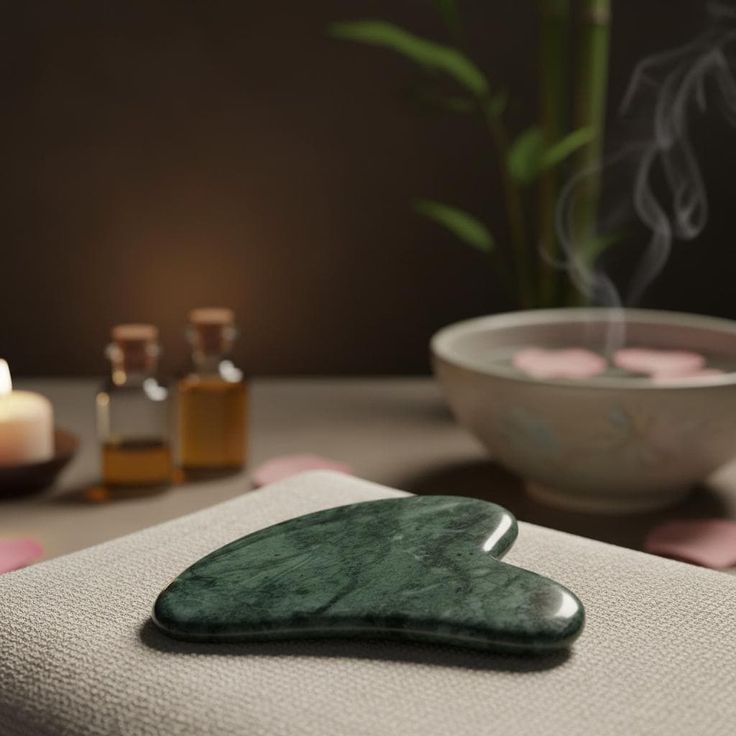
As facial Gua Sha becomes a staple in the modern skincare routine, the line between professional esthetics and home self-care has blurred. For many women seeking to maintain a youthful, lifted appearance, the promise of a “natural facelift” is highly compelling. However, the efficacy of this ancient modality is entirely dependent on correct execution. Without a proper understanding of facial anatomy and skin physiology, users may find themselves wondering can gua sha be harmful when they experience unexpected redness, breakouts, or increased sensitivity. Professional-grade results require professional-grade knowledge, particularly regarding the pressure, angle, and lubrication required to move lymphatic fluid without damaging the delicate connective tissues of the face.
One of the most frequent mistakes made by home users is the “dry scrape.” Gua Sha is never meant to be performed on dry skin. The tool must have enough “slip” to glide effortlessly across the surface. Using a high-quality facial oil is essential, but it serves a dual purpose: it acts as a mechanical buffer to prevent friction burns and serves as a vehicle for active nutrients to penetrate deeper into the skin as circulation increases. If the skin is tugged or pulled, the mechanical stress can actually contribute to the breakdown of elastin fibers, which is the exact opposite of the pro-aging goal the user is trying to achieve.
Pressure is the second variable where most errors occur. In the world of lymphatic drainage, “light as a feather” is the gold standard. The lymphatic system sits just beneath the surface of the skin; heavy pressure actually bypasses the lymph and compresses the vessels, preventing the very drainage the user is trying to facilitate. For older adults, especially, whose skin may be losing density, excessive pressure can lead to bruising or “scuffing” of the epidermis. Learning to use the weight of the stone rather than the strength of the hand is a hallmark of a professional-level technique.
Beyond technique, the hygiene of the tool is a paramount safety concern. Because Gua Sha increases local blood flow and can occasionally create microscopic openings in the skin, a dirty tool is a significant risk factor for folliculitis or contact dermatitis. Stones should be cleaned with gentle, fragrance-free soap after every session. Additionally, the storage of the tool matters. Keeping a stone in a humid bathroom without a protective case can expose it to mold spores or household chemicals that can then be transferred to the face during the next massage.
For the wellness-focused professional, the integration of Gua Sha should be viewed as a meditative practice rather than a quick fix. When done correctly, it helps clear the “stagnation” that leads to morning puffiness and dark circles. It also provides a moment of mindfulness in a busy day, reducing the facial tension that contributes to fine lines between the brows and around the jawline. By following expert guidelines and listening to the skin’s feedback, Gua Sha remains one of the most effective non-invasive tools in the modern beauty arsenal.
A successful skincare journey is built on the foundation of high-performance ingredients and informed techniques. By choosing products that respect the skin’s natural pH and barrier function, you amplify the benefits of every massage stroke. When you invest in your skin’s health, you are investing in your long-term confidence and vitality. To find a curated selection of botanical formulas designed to work in tandem with advanced facial massage techniques, explore the offerings at Essance Skincare, where traditional wisdom meets modern dermatological standards for the ultimate in holistic beauty.
