

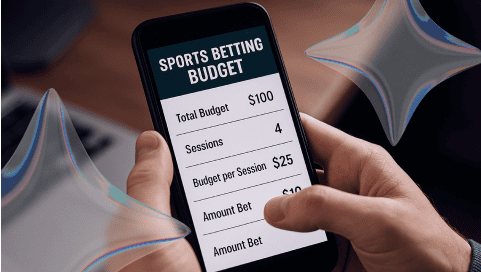
Sports betting can be entertaining when it is treated as discretionary spending rather than a way to generate income. One of the most important habits for anyone considering betting is establishing a fixed budget before placing a wager. Responsible-gambling guidance commonly recommends using only money that can be lost without affecting essential expenses, setting limits in advance, and avoiding attempts to recover losses by increasing bets.
What Is a Betting Budget?
A betting budget is the maximum amount of money you decide in advance that you are willing to spend on betting during a particular period. This might be a weekly or monthly amount.
The important point is that the budget should come from discretionary money, not from rent, food, utility bills, debt payments, emergency savings, education expenses, or money needed by your family. If losing the entire amount would create financial difficulty, the amount is too high.
Start With Your Essential Expenses
Before deciding how much you can potentially allocate to betting, calculate your normal financial obligations.
Consider expenses such as:
- Housing and utility bills
- Food and transportation
- Debt repayments
- Healthcare expenses
- Family responsibilities
- Savings and emergency funds
- Other essential commitments
Only after these priorities have been covered should you consider entertainment spending. Betting should remain a small discretionary expense rather than competing with important financial goals.
Choose a Fixed Betting Limit
Once you know what money is genuinely available for entertainment, choose a specific betting limit.
For example, someone might decide that they can afford to allocate a small portion of their discretionary entertainment money to betting each month. The exact amount should depend on their individual finances rather than on a universal recommendation.
Write the figure down before opening a betting platform. More importantly, treat it as a maximum, not as an amount you are expected to spend.
Break the Budget Into Smaller Sessions
A monthly limit can be easier to control when divided into smaller session limits.
For example, if someone establishes a hypothetical monthly entertainment betting budget of $100, they might divide it into four planned sessions of $25. If one session reaches its limit, they stop rather than transferring additional money from another part of their budget.
This approach can make spending easier to track and reduces the temptation to make spontaneous deposits.
Never Use Essential or Borrowed Money
A safe betting budget should never include money that has another important purpose.
Avoid using:
- Credit cards or loans
- Money borrowed from friends or relatives
- Household expense money
- Emergency savings
- Business funds
- Money intended for bills
Responsible-gambling organizations specifically advise against borrowing to gamble and recommend keeping betting separate from essential financial responsibilities.
Set a Loss Limit Before You Bet
A loss limit establishes the maximum amount you are prepared to lose during a session or period.
For instance, if your predetermined session limit is reached, the session ends. Do not respond by making another deposit or increasing the size of the next wager.
A loss limit is particularly important because losing can create an emotional desire to immediately recover the money.
Avoid Chasing Losses
One of the most important budgeting rules is simple: a previous loss should not determine the size of your next bet.
Chasing losses means increasing bets or continuing to gamble specifically because you want to recover money that has already been lost. This can turn a limited loss into a much larger one. Responsible-betting guidance consistently recommends stopping rather than attempting to win losses back.
Keep Betting Separate From Income
Betting should not be incorporated into your regular income expectations.
A winning session does not guarantee future winnings, and a betting balance should not be treated as money available for rent, bills, debt payments, or savings goals. Sports knowledge and research can help someone understand a market, but they cannot eliminate uncertainty or guarantee a particular result.
Use Available Account Controls
If the platform you use provides responsible-gambling controls, consider using them to reinforce your personal budget.
Depending on the platform, these may include:
- Deposit limits
- Loss limits
- Session or time reminders
- Cooling-off periods
- Self-exclusion options
- Spending or activity history
Setting limits in advance can be more reliable than depending entirely on decisions made during an exciting match or after a losing streak.
Track Every Deposit and Withdrawal
Keeping a simple record of betting-related transactions can provide a clearer picture of your actual spending.
Record:
- Deposits
- Withdrawals
- Stakes
- Winnings
- Losses
- Total net result
Review the numbers regularly rather than focusing only on individual winning bets. A record can reveal whether your actual spending is staying within the limit you established.
Take Emotional State Into Account
Your financial budget is only one part of responsible betting. Your emotional state can also influence decisions.
Avoid betting when you are angry, extremely stressed, upset, exhausted, or under pressure. Responsible-gambling guidance recommends taking a break when emotions begin influencing decisions.
A useful rule is to make financial decisions while calm and establish your limits before a betting session begins.
What About Promotions and Bonuses?
Promotions should never be treated as extra money that justifies exceeding your budget.
Bonuses may come with conditions such as wagering requirements, expiration dates, minimum odds, restricted markets, or withdrawal rules. Even when a promotion is available, your original spending limit should remain unchanged.
If accepting a promotion encourages you to deposit more than planned, it is reasonable to skip it.
A Simple UFABET Budget Checklist
Before placing a bet, ask yourself:
- Have my essential expenses already been covered?
- Is this money genuinely discretionary?
- Have I decided my maximum spending limit beforehand?
- Can I comfortably lose the entire amount?
- Have I established a stopping point?
- Am I avoiding borrowed or essential funds?
- Am I betting for entertainment rather than trying to solve a financial problem?
- If I lose, will I be able to walk away without making another deposit?
If the answer to these questions is not clear, postponing the betting session can be the safer choice.
Understanding “Sign up for UFABET” in a Responsible-Betting Context
Anyone searching for สมัคร UFABET should consider the financial rules they intend to follow before creating or funding any betting account. Account registration does not make betting profitable or eliminate the possibility of losses. Before participating, users should check the platform’s current eligibility requirements, terms, applicable local laws, and available responsible-gambling controls.
Final Thoughts
A betting budget works best when it is established before the excitement of a match, promotion, or winning streak influences your decisions. Keep essential finances separate, set a fixed discretionary limit, track your activity, use available spending controls, and never chase losses.
Most importantly, betting should never be treated as a guaranteed source of income. If staying within your predetermined limits becomes difficult, taking a break or stopping altogether is an important step toward protecting your financial well-being.
