

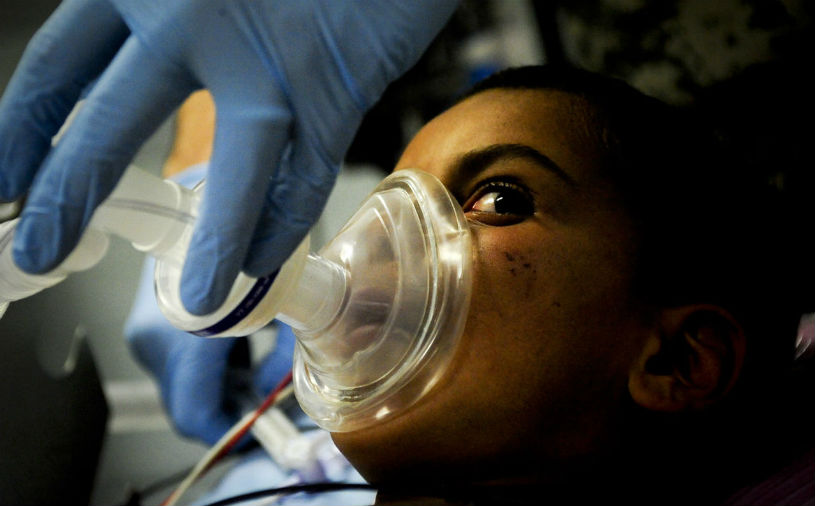
Many people fear surgery. A very common fear is, “Will anesthesia make me forget?” This fear is real and predictable. Note that both conditions are treatable. Let’s learn the facts about anesthesia and memory loss here.
Anesthesia and Memory Problems
What happens to your brain during anesthesia? When a surgeon administers anesthesia to a person, the drugs act on specific parts of the brain called receptors. These receptors are responsible for how brain cells communicate with each other. Anesthesia simply sends signals to the brain that induce sleep, so the person doesn’t feel pain or remember the surgery.
A study showed that anesthesia affects brain cells, specifically GABA receptors, making brain messages less effective after receiving the anesthetic. These receptors remain altered even after the anesthetic has left the body. This suggests that the effects of anesthesia can last longer than the actual duration of surgery. According to this study, in a group of 400 people, their short-term memory was impaired 24 hours after surgery. While this may be worrying, it’s important to know that with proper medical treatment, almost everyone recovers.
Short-term memory problems are normal:
It’s very common for a person to feel confused or forgetful immediately after surgery. This is called “brain fog,” which experts often describe. The person may not remember things they discussed, or their brain may function slowly. This happens because the anesthesia still has an effect on the brain. It’s like waking up from a very deep sleep, and things that weren’t working properly take time to return to normal. Almost everyone finds their memory improves within 1-2 days.
It’s common to feel anxious about memory loss. Many patients say that the feeling of not being able to remember or the fear of missing something scares them. Nevertheless, it’s a very common condition.
Concerns about long-term memory
Memory loss is a more difficult problem because it lasts longer, and it is unclear whether the problem is solely due to the anesthesia or if other factors are involved. Researchers are currently working on replicated studies to determine whether memory problems caused by anesthesia persist long-term. This research has generated considerable controversy and confusion.
According to some studies, it appears that older people may be at greater risk for long-term memory problems. Approximately 10% of elderly patients experience mild cognitive changes for up to three months after surgery. However, other significant studies have concluded that there is no link between anesthetics and long-term memory problems.
Patients who face difficulties during surgery may feel more irritable due to uncertainty. Memories of surgery can confuse and stress everyone.
The connection between anesthesia and dementia
The question of whether anesthesia increases the risk of dementia or Alzheimer’s is also a major concern for many other patients, particularly elderly patients or patients with a family history of memory problems. Another research on twins found no link between those who received anesthesia and those who did not.
Psychologists and experts believe that inflammation in the brain after surgery is the main problem. Stress and other health problems, combined with this inflammation, play a role in memory changes. While their concerns are valid, they have not yet provided definitive evidence that anesthesia directly causes dementia.
Note that if a patient undergoing dementia treatment needs to undergo surgery, it is best to consult an expert healthcare professional.
Effects of anesthesia elderly after surgery
Older patients are at greater risk of anesthesia and memory problems. New evidence is emerging that aging plays a significant role. Research has shown that in patients over 65, the risk of cognitive and memory impairment can be 20 to 30%. However, some suffer from aging-related amnesia, which is sometimes attributed to anesthesia.
This doesn’t mean that these older people shouldn’t undergo surgery if necessary. It simply means that they and their families require more attention and preparation than typical patients. While some may take longer to recover from anesthesia-related surgery, changes in the brain associated with aging may be a factor.
If an elderly family member is about to undergo surgery, it’s hard not to feel anxious. The fear is justified, and it’s important to consult with a mental health specialist.
Different types of anesthesia carry different risks:
- Local anesthesia blocks only the surgical area(i.e., numbs only a small area).
- Regional anesthesia affects a larger area of the body.
- General anesthesia aims to render the entire body unconscious.
This choice depends on the type of surgery being performed.
Other side effects:
In addition to memory problems, anesthesia can also cause other temporary side effects, such as a sore throat, nausea, dizziness, or chills. These are mild effects that usually go away within a day or two.
Taking care of mental health
The connection between memory loss and surgery, and the extensive preparation required before surgery, can cause significant stress. This stress is completely natural. The operation itself is a major matter that can contribute to mental health problems and concerns related to memory loss.
Understanding these feelings is the first step to dealing with them, rather than trying to suppress them. Most people find that when they share their fears with others, the burden on their shoulders feels less heavy. Thus, talking about these concerns with family, friends, or a mental health specialist who expert in anxiety treatment is very helpful.
For an individual concerning neurological issues, seeking professional help, such as a board-certified neuropsychiatrist, is a good choice. They specialize in treating psychiatric symptoms from a neurological, anatomical, and physiological perspective. They can also assist with surgeries related to neurological brain problems.
Ways to deal with surgery anxiety:
- Be honest with the professional about your fears, and share whatever is on your mind.
- Keep asking questions until they are resolved.
- Practice breathing exercises, such as deep breathing, to help reduce stress.
- Focus on the positive things that happen after surgery.
- Remember that most people recover without complications.
The Takeaway
Some key facts about anesthesia and memory:
- Anesthesia affects brain receptors responsible for memory.
- The effects of anesthesia can sometimes last longer than the surgery itself.
- Short-term memory loss is the most common side effect and usually resolves within 24 to 48 hours.
- The brain does recover, but it requires time and rest.
It’s important to note that thousands of surgeries are performed under anesthesia every year in countries around the world. Most patients do not experience the long-term memory problems they feared before surgery. The fears expressed by patients are real and valid, but most of the time, the risks are minimal.
However, if you are anxious about memory issues, looking for mental health support, or experience some of the symptoms (e.g., persistent memory loss, worsening forgetfulness, or inability to take care of basic needs) after surgery, seek mental health professional help. Online consultations make it more easy to connect with expert mental health professionals, such as a board-certified psychiatrists, for diagnosis and treatment, including psychiatric medication.
However, an online psychiatrist is licensed in your state can only send a prescription. For example, if you live in Charleston, online psychiatrist Charleston SC can send you a prescription. At GABA Telepsychiatry, their psychiatrists provide 30-minute medication visits (twice the time required by most insurance plans), focusing on ensuring that your medication is effective and has minimal or no side effects.
