

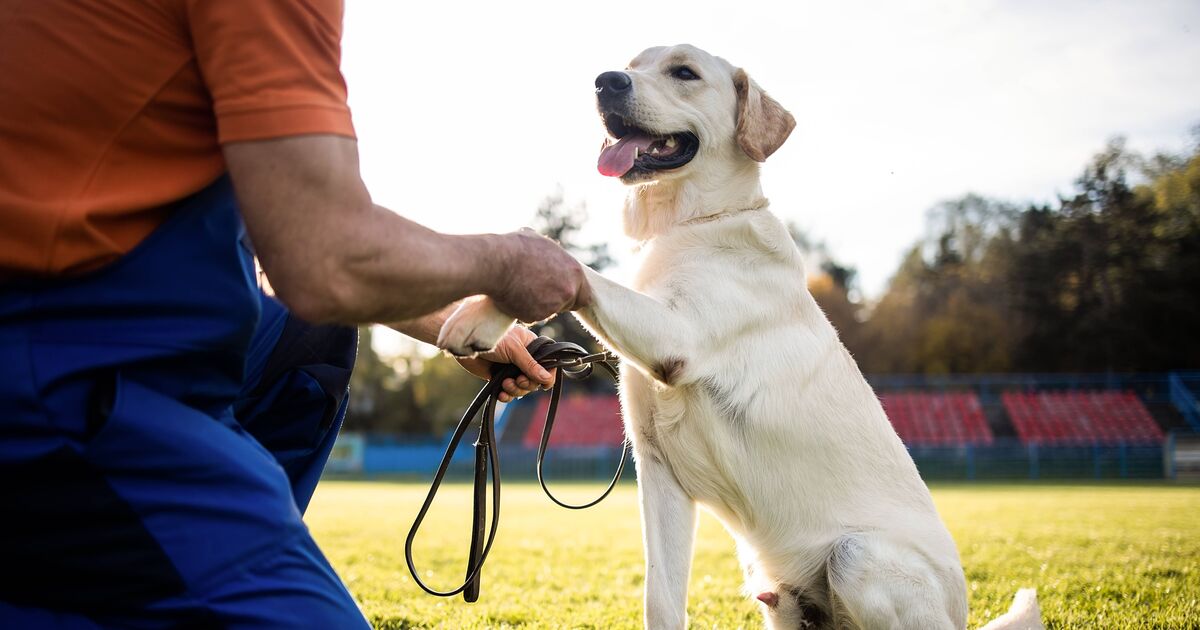
Dog training follow up sessions help dog owners reinforce obedience, maintain learned behaviors, and address challenges that arise after professional training. Although dogs may learn essential commands during an initial program, consistent practice and proper handling are important for maintaining progress in everyday situations.
For dog owners in Phoenix and Scottsdale, Arizona, Rob’s Dog Training offers professional training through private lessons and Board & Train programs. The company also highlights lifetime support, giving clients access to continued guidance after training. Understanding how follow-up support fits into a training plan can help owners maintain consistency and strengthen communication with their dogs.
Why Dog Training Follow Up Sessions Matter
Learning a command is only the beginning of obedience training. A dog might respond reliably at home but struggle when encountering other dogs, unfamiliar people, or distractions outdoors.
Dog training follow up sessions allow owners to review learned skills, identify areas that need improvement, and receive guidance on handling their dogs consistently. These sessions can help reinforce:
- Basic obedience: Maintaining responses to commands such as sit, stay, come, and place.
- Leash manners: Improving walking behavior during everyday outings.
- Recall: Practicing a reliable response when called in appropriate, controlled environments.
- Impulse control: Encouraging calmer behavior around people, animals, and distractions.
- Behavior management: Reviewing techniques for addressing recurring issues such as jumping or excessive barking.
The right approach depends on the dog’s training history, current behavior, and individual needs. Follow-up guidance can help owners determine which skills require more practice.
What to Focus on During Follow-Up Training
Effective follow-up training should address the dog’s current progress rather than simply repeat every exercise from the beginning. Reviewing specific challenges helps owners and trainers identify which skills need additional reinforcement.
Reinforcing Learned Commands
A dog may understand a command but respond inconsistently when distracted. Reviewing familiar cues allows owners to identify gaps and practice in situations suited to the dog’s ability.
For example, a dog that responds to recall indoors may need additional practice in a secure outdoor area before attempting more distracting environments. Gradually increasing the difficulty can help strengthen the behavior without overwhelming the dog.
Practicing Around Real-World Distractions
Everyday environments present challenges that may not occur during initial training. Neighborhood walks, public spaces, and encounters with unfamiliar dogs can test a dog’s ability to respond consistently.
Rob’s Dogs emphasizes training around real-world distractions as part of its approach to developing obedience. Practicing learned skills in appropriate environments can help owners understand how to apply training beyond the home.
Exercises should match the dog’s current ability, with suitable distance from distractions and attention to safety.
Improving Owner Handling Techniques
Successful training requires consistent communication between the dog and its handler. Owners need to understand how to give clear cues, reinforce desired behavior, and respond appropriately when distractions arise.
Follow-up guidance can help clarify training techniques and identify inconsistencies that may affect progress. This is particularly useful when multiple family members participate in handling and caring for the dog.
How to Maintain Progress Between Sessions
Professional guidance works best when supported by consistent practice at home. Owners can reinforce learned behaviors through simple, structured exercises incorporated into daily routines.
- Practice regularly. Short, focused exercises can help reinforce commands without making training unnecessarily demanding.
- Use consistent cues. Family members should use the same verbal commands and signals to avoid confusing the dog.
- Reward desired behavior. Appropriate rewards, including treats, praise, or toys, can encourage the dog to repeat successful responses.
- Introduce distractions gradually. Practice in new environments only when the dog is ready, increasing difficulty as its responses become more consistent.
- Track recurring challenges. Note situations in which the dog struggles, such as pulling on the leash or ignoring a recall cue. Sharing these observations with a trainer can help identify areas that need attention.
If previously learned behaviors become difficult to manage, professional guidance can help owners determine whether adjustments to their training approach are needed.
Training Support Available Through Rob’s Dogs
The appropriate training option depends on the dog’s needs, the owner’s goals, and the type of instruction already received. Rob’s Dogs offers private lessons and Board & Train programs, providing different approaches to obedience and behavior training.
Private Dog Training Lessons
Private lessons provide individualized instruction involving the dog, owner, and trainer. Rob’s Dogs describes its private lessons as tailored to the dog’s needs and the owner’s goals.
This format allows owners to participate directly in training and receive guidance on applying techniques between lessons. It may be suitable for those who want hands-on instruction and help addressing specific obedience or behavior concerns.
Board & Train Programs
Board & Train provides structured training while a dog stays at the training facility. Rob’s Dogs offers this option for owners seeking a more immersive training experience.
The transition home remains important because owners must understand how to maintain the behaviors developed during training. Continued guidance can help them apply learned techniques consistently within their household and daily routines.
Owners can explore the Rob’s Dogs website for information about its training programs and available support.
The Value of Continued Support After Training
Training does not necessarily end when a dog completes a program. Changes in routine, new environments, and inconsistent practice can affect how reliably a dog responds to familiar commands.
Rob’s Dogs highlights lifetime support as part of its training approach. Continued guidance can help owners ask questions about learned techniques, address emerging challenges, and understand how to reinforce progress at home.
Rather than treating training as a one-time event, owners can view it as an ongoing process that requires consistency and appropriate reinforcement. When specific concerns arise, they can contact the business to clarify the support available under their training program.
Owners should confirm current service terms and availability directly with Rob’s Dogs, particularly when asking about follow-up appointments, scheduling, or additional fees.
Building Lasting Results Through Continued Dog Training
Dog training follow up sessions help owners reinforce obedience, improve handling consistency, and maintain learned behaviors in everyday situations. Regular practice, clear communication, and suitable professional guidance can all contribute to continued progress.
Rob’s Dog Training provides dog training options for owners in Phoenix and Scottsdale, including private lessons, Board & Train programs, and lifetime support. Exploring these services can help owners determine which approach best suits their dog’s training needs.
Visit Rob’s Dogs to learn more about its programs and available support. With consistent practice and appropriate guidance, dog owners can continue building reliable behaviors and a stronger relationship with their pets.
