

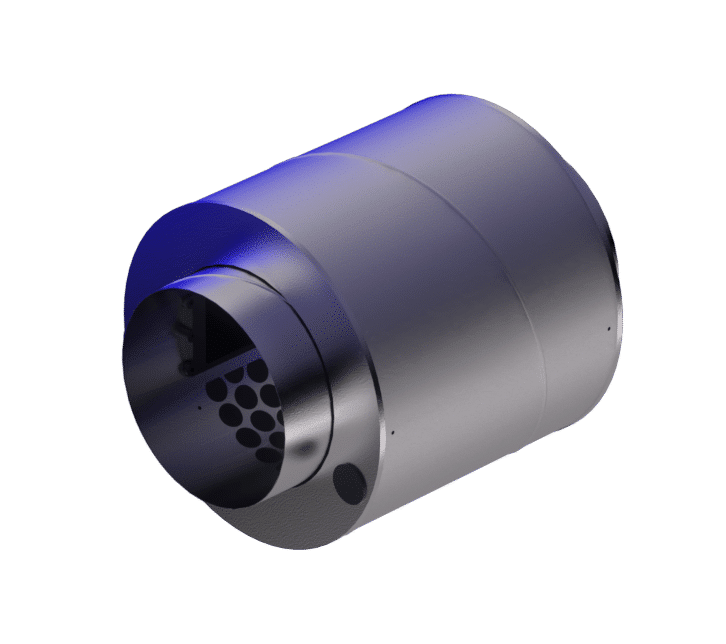
A well-functioning HVAC system should maintain comfortable indoor temperatures without creating unnecessary noise. However, sounds from air movement, ventilation fans, and mechanical equipment can travel through ductwork and disturb occupants. These issues are especially noticeable in bedrooms, offices, and other quiet spaces. Installing Air Duct Mufflers can help reduce sound transmission through ventilation ducts while maintaining the airflow needed for proper heating and cooling. Understanding how these devices work allows homeowners and HVAC professionals to address unwanted noise without extensive system modifications.
What Causes Noise in HVAC Ductwork?
HVAC systems generate several types of noise during normal operation. Identifying the source helps determine whether installing a sound muffler is an appropriate solution.
Airflow Turbulence
Air moving through narrow ducts, sharp bends, and restrictive fittings can create whistling, rushing, or whooshing sounds.
These noises become more noticeable when airflow velocity increases or the duct system contains poorly positioned transitions.
Fan and Motor Noise
Blower motors and ventilation fans generate sound that can travel through connected ductwork.
Even when equipment operates correctly, mechanical noise may reach occupied rooms through supply and return openings.
Mechanical Vibrations
Vibrations from fans, motors, and loosely secured duct sections can produce humming or rattling sounds.
Metal ductwork may carry these vibrations over considerable distances, making the sound noticeable far from its source.
Sound Traveling Between Rooms
Connected duct systems can also transmit conversations, television sounds, and other household noise between adjacent spaces.
This problem is particularly noticeable in properties where privacy and acoustic comfort are important.
What Are Air Duct Mufflers and How Do They Work?
Air duct mufflers, also called duct silencers or sound attenuators, are components installed within ventilation ducts to reduce transmitted noise.
Most models use internal sound-absorbing materials that capture and dissipate part of the acoustic energy traveling through the duct.
Unlike conventional insulation installed around ductwork, a muffler targets sound moving through the air passage itself.
The effectiveness of a muffler depends on its construction, length, internal acoustic material, and the frequencies of the noise being addressed.
Certain residential models are designed to reduce sound without significantly restricting airflow, making them suitable for appropriately sized HVAC systems.
Benefits of Installing Air Duct Mufflers
Reduced Noise in Living Spaces
One of the primary benefits of duct mufflers is quieter operation in rooms connected to noisy ventilation systems.
By limiting the transmission of fan and airflow sounds, these components can make bedrooms, living rooms, and home offices more comfortable.
Better Acoustic Privacy
Ductwork sometimes creates an unintended pathway for conversations and household noise.
Installing sound-absorbing components in appropriate duct sections can help reduce sound traveling between connected rooms.
This benefit can be particularly valuable in multifamily residential buildings and shared working environments.
Airflow Preservation
Maintaining proper airflow is essential for HVAC performance.
Well-designed duct mufflers account for airflow resistance, allowing sound reduction without creating excessive pressure loss.
For example, Suncourt’s 10-inch DuctMuffler is designed to absorb duct-borne noise without restricting airflow through its specified duct size.
Convenient Installation
Many inline mufflers can be incorporated into existing round ductwork without replacing the entire ventilation system.
This makes them useful for both new construction and selected retrofit projects where accessible duct sections are available.
How to Choose the Right Air Duct Muffler
Selecting a suitable muffler involves evaluating the HVAC system’s technical requirements and the type of noise being transmitted.
Duct diameter: The muffler must match the duct dimensions. Installing an incorrectly sized component may introduce unwanted airflow resistance.
Noise characteristics: Determine whether the primary concern involves fan noise, airflow turbulence, or sound transfer between rooms.
Airflow requirements: Review manufacturer specifications to confirm compatibility with the system’s required airflow and static pressure.
Construction materials: Look for suitable acoustic liners and materials that meet applicable HVAC safety requirements.
Installation space: Confirm that sufficient straight duct length and service access are available for proper installation.
HVAC contractors should also review relevant mechanical codes and manufacturer instructions before selecting equipment.
Installation Considerations for HVAC Professionals
Proper installation helps ensure the muffler delivers the intended acoustic results.
The first step is identifying the duct section carrying unwanted noise. Placing a muffler near the relevant transmission path can improve its effectiveness.
Installers should also consider the following:
- Secure duct connections to prevent air leakage.
- Support the muffler according to manufacturer requirements.
- Avoid unnecessary bends or restrictions near the installation.
- Confirm that the component is suitable for the ventilation application.
- Check airflow and system operation after installation.
Where vibration is the main concern, additional isolation measures may be necessary.
Additional Ways to Reduce HVAC Noise
Although duct mufflers can address sound traveling through ductwork, they are not a universal solution for every HVAC noise problem.
Homeowners and contractors should also inspect the system for loose panels, damaged bearings, dirty filters, and poorly secured ducts.
Sealing duct leaks and correcting restrictive airflow paths may help reduce certain whistling or rushing noises.
Vibration isolation mounts and flexible duct connectors may also reduce mechanical noise transmission.
Combining appropriate repairs with sound-absorbing components can provide more consistent acoustic comfort throughout the building.
Conclusion
Excessive HVAC noise can interfere with comfort, concentration, and privacy. Air duct mufflers provide a practical way to reduce sound traveling through ventilation systems while preserving airflow when properly selected and installed.
For HVAC contractors, builders, and homeowners exploring ventilation noise reduction products, Suncourts offers the DuctMuffler 10-inch inline noise muffler, featuring a UL-listed Class 1 acoustic liner, straightforward installation, and maintenance-free construction. Visit the website to review product specifications and find the right airflow and noise-control solution for your project.
