

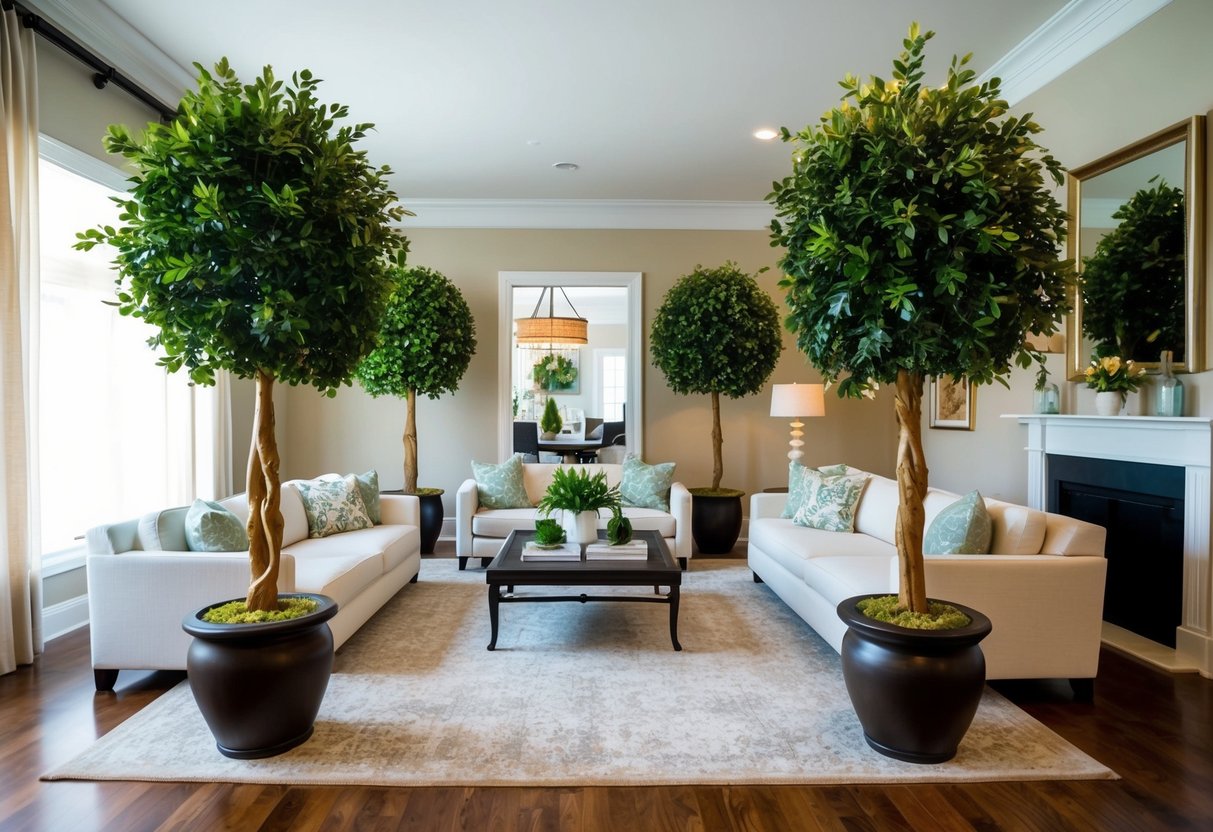
When it comes to elevating your home décor effortlessly, large artificial trees indoor are one of the most stylish and practical choices you can make. They bring life, height, and visual interest into a space—without the hassle of watering, sunlight, or maintenance. Whether you’re designing a cozy apartment or a spacious villa, choosing the right artificial tree requires more thought than simply picking what looks good online.
This guide walks you through everything you need to know to find the perfect fit for your home.
Why Large Artificial Trees Are a Smart Choice
Before diving into selection tips, it’s worth understanding why these décor pieces are so popular.
Large artificial trees offer the beauty of nature without the upkeep. They stay green year-round, don’t shed leaves, and are ideal for homes with limited natural light. They’re also perfect for people with busy lifestyles or those who simply don’t have a green thumb.
More importantly, they act as statement pieces. A well-placed artificial tree can transform an empty corner into a focal point or add balance to a room with heavy furniture.
Consider the Size and Scale of Your Space
The first and most important factor is proportion.
A tree that’s too small will look insignificant, while one that’s too large can overwhelm the room. Measure your ceiling height and floor space before choosing.
For standard homes:
- 5–6 feet trees work well in bedrooms and small living rooms
- 6–7 feet trees suit most living rooms and offices
- 7–10 feet trees are ideal for large, open spaces with high ceilings
Also, consider the width. Some trees like ficus or olive trees are slender, while others like fiddle leaf figs are fuller and bushier.
Match the Tree Style with Your Interior Design
Your artificial tree should complement your overall décor style—not clash with it.
If your home leans toward modern minimalism, go for clean, structured options like:
- Fiddle Leaf Fig
- Rubber Plant
- Dracaena
For a more natural or rustic look:
- Olive trees
- Areca palms
- Bamboo trees
If your space has a tropical vibe, palm varieties instantly enhance that feel. Meanwhile, sleek and symmetrical trees work better in contemporary interiors.
Pay Attention to Realism and Quality
Not all artificial trees are created equal. The difference between a cheap-looking tree and a realistic one comes down to details.
Look for:
- Natural color variations in leaves
- Realistic trunk textures (wood-like, not plastic-looking)
- Dense foliage without visible gaps
- Slight imperfections that mimic real plants
High-quality trees often use silk or polyethylene materials, which give a more lifelike appearance. If possible, zoom in on product images or check videos before purchasing.
Choose the Right Pot and Planter
Many artificial trees come with basic nursery pots, which are not meant for display.
Upgrading the planter can dramatically improve the overall look. Choose pots that align with your interior style:
- Ceramic or matte pots for modern spaces
- Woven baskets for boho or cozy interiors
- Metallic planters for a luxe feel
Also, ensure the planter is proportionate to the tree. A tall tree in a tiny pot looks unstable and unrealistic.
Think About Placement and Function
Where you place your artificial tree matters just as much as the tree itself.
Ideal spots include:
- Empty corners in living rooms
- Entryways for a welcoming touch
- Beside sofas or accent chairs
- Near staircases
- Office corners to add freshness
Avoid overcrowding. A large artificial tree should have enough breathing space to stand out.
Lighting Still Matters
Even though artificial trees don’t need sunlight, lighting affects how they look.
Placing your tree near natural light enhances its realism. If that’s not possible, consider adding a floor lamp nearby to highlight the texture and color of the leaves.
Dim corners can make even the best artificial tree look dull.
Maintenance and Longevity
One of the biggest advantages of artificial trees is low maintenance—but they still need a little care.
Dust can accumulate over time, making them look less realistic. A quick wipe with a damp cloth or occasional dusting keeps them fresh.
Avoid placing them in areas with excessive moisture or direct harsh sunlight for long periods, as this can cause fading.
Budget vs Value
Prices for large artificial trees vary widely based on size, material, and realism.
While it may be tempting to go for cheaper options, investing in a high-quality piece often pays off in the long run. A premium artificial tree can last for years and maintain its look without fading or wearing out.
Think of it as a one-time décor investment rather than a temporary purchase.
Popular Types of Large Artificial Trees Indoor
If you’re unsure where to start, here are some popular options homeowners love:
- Fiddle Leaf Fig Tree – Bold, modern, and trendy
- Areca Palm Tree – Light, airy, and tropical
- Olive Tree – Subtle, elegant, and natural
- Bamboo Tree – Minimalist and Zen-inspired
- Rubber Plant Tree – Glossy leaves for a contemporary look
Each of these works well in different settings, so choose based on your space and aesthetic.
Final Thoughts
Choosing the perfect large artificial trees indoor isn’t just about filling empty space—it’s about enhancing your home’s personality and creating a balanced, inviting environment.
Focus on size, realism, style compatibility, and placement. When all these elements come together, an artificial tree doesn’t just look good—it feels like a natural part of your home.
Take your time, explore options, and don’t hesitate to invest in quality. The right artificial tree can instantly elevate your interiors with zero effort and long-lasting impact.
