

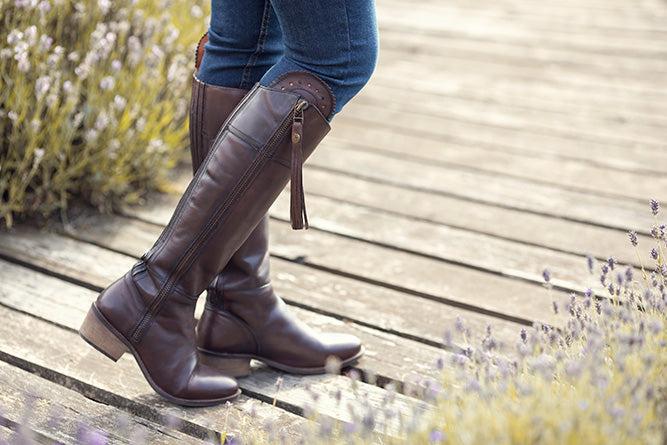
A good pair of boots can provide years of comfort, durability, and reliable performance. However, many people experience tightness when wearing a new pair, especially during the first few days of use.
Leather boots are designed to adjust gradually as they are worn, but some areas may require additional attention before they feel comfortable. Learning how to stretch boots at home can help improve the fit while protecting the material and structure of your footwear.
With the right techniques, you can create a more comfortable fit without damaging your favorite boots.
Why Boots Feel Tight After Purchase
Before stretching your boots, it is important to understand why they feel uncomfortable.
New Leather Needs Time to Soften
Leather is a natural material that becomes more flexible with use. New boots often feel firm because the leather has not yet adapted to the shape of your feet.
A short break-in period is normal, especially with:
- Leather work boots
- Cowboy boots
- Military-style boots
- Heavy-duty outdoor footwear
As the material softens, the boots usually become more comfortable.
Different Foot Shapes Affect Fit
Everyone’s feet are different. Some people may experience tightness around the:
- Toes
- Sides of the foot
- Instep
- Heel area
A boot that fits one person comfortably may feel restrictive for someone with a different foot shape.
Understanding where the pressure occurs helps determine the best stretching method.
Wrong Size vs Normal Break-In Period
It is important to distinguish between boots that need stretching and boots that are simply the wrong size.
A boot may need minor adjustment if:
- The leather feels stiff
- There is slight pressure in certain areas
- The boot feels snug but not painful
However, stretching cannot completely fix boots that are significantly too small.
How to Stretch Boots at Home Safely
Several methods can help improve boot comfort without causing unnecessary damage.
Wear Thick Socks
One of the easiest ways to gradually stretch boots is wearing them with thicker socks.
This works by:
- Creating gentle pressure inside the boot
- Helping leather adjust naturally
- Expanding tight areas slowly
Wear the boots around the house for short periods rather than immediately using them for a full day.
This method is especially useful for minor tightness.
Use a Boot Stretcher
A boot stretcher is one of the most controlled methods for adjusting footwear.
It can help create extra room in areas such as:
- Width
- Toe area
- Specific pressure points
Boot stretchers are useful because they allow gradual adjustment rather than forcing the material.
Follow the product instructions carefully to avoid overstretching.
Apply Leather Conditioner
Leather conditioner can help soften stiff leather and make it more flexible.
Conditioning may help with:
- New leather stiffness
- Dry areas
- General boot maintenance
Apply conditioner evenly and allow the leather to absorb it before wearing the boots.
Avoid applying excessive amounts, as too much product can affect the leather’s appearance.
Use Gentle Heat
Mild heat can help soften leather, but it should always be used carefully.
A common method involves:
- Wearing thick socks
- Putting on the boots
- Applying gentle warmth with a hair dryer
- Moving your feet while the leather softens
Avoid high heat because it can:
- Dry out leather
- Damage finishes
- Affect adhesives
- Change the shape of the boot
Heat should only be used as a controlled stretching aid.
Try the Freeze Method for Small Adjustments
Some people use the freezing method for minor expansion.
The process involves:
- Filling sealed bags with water
- Placing them inside the boots
- Allowing the water to freeze and expand slightly
This method should be used carefully, especially with valuable leather boots.
Always consider the boot material before trying this technique.
Areas of Boots That Can Be Stretched
Different parts of boots may require different approaches.
Toe Box
The toe area is one of the most common places where people feel pressure.
Stretching may help create:
- More room for toes
- Reduced pressure
- Better overall comfort
However, the amount of possible expansion depends on the boot construction.
Width
Boots that feel tight along the sides may benefit from gradual widening.
Methods such as:
- Wearing thicker socks
- Using a boot stretcher
- Conditioning leather
can help create a more comfortable fit.
Instep
The top area of the foot can sometimes feel restrictive, especially with structured boots.
Gentle stretching may help improve flexibility in this area.
Mistakes to Avoid When Stretching Boots
While stretching can improve comfort, incorrect methods may damage footwear.
Using Too Much Heat
Excessive heat can weaken leather and affect the boot’s structure.
Always use low heat and short periods when attempting heat-based stretching.
Overstretching the Material
Leather can only expand to a certain point. Forcing boots too much may change their shape.
Make gradual adjustments instead.
Using Harsh Chemicals
Some online methods recommend using liquids or household products to soften boots.
These approaches may damage:
- Leather finish
- Color
- Stitching
- Boot structure
Use products designed specifically for footwear care.
Ignoring Fit Problems
Stretching can help improve minor discomfort, but it cannot solve major sizing issues.
If boots are causing significant pain, the best option may be choosing a different size or style.
How to Keep Boots Comfortable After Stretching
Once your boots reach a comfortable fit, proper care helps maintain that comfort.
Clean Boots Regularly
Remove dirt, mud, and debris after use.
This helps protect the leather and prevents buildup.
Condition Leather Periodically
Leather conditioner helps maintain flexibility and prevents excessive dryness.
Store Boots Properly
Keep boots in a dry area and avoid storing them in extreme temperatures.
Using boot trees or supports can help maintain shape.
Wear Appropriate Socks
The right socks can improve comfort by reducing friction and helping regulate moisture.
Final Thoughts
Knowing how to stretch boots at home can help improve comfort and extend the usability of your footwear. Whether your boots need a little extra room in the toe area, width, or instep, gradual methods are usually the safest approach.
Using techniques such as thick socks, boot stretchers, leather conditioning, and gentle adjustments can help create a better fit while protecting your boots.
For those looking for quality footwear built for different lifestyles, Boots Plus More offers a range of boots designed for work, outdoor activities, and everyday wear. Explore available styles and choose footwear that provides the comfort and support you need.
