

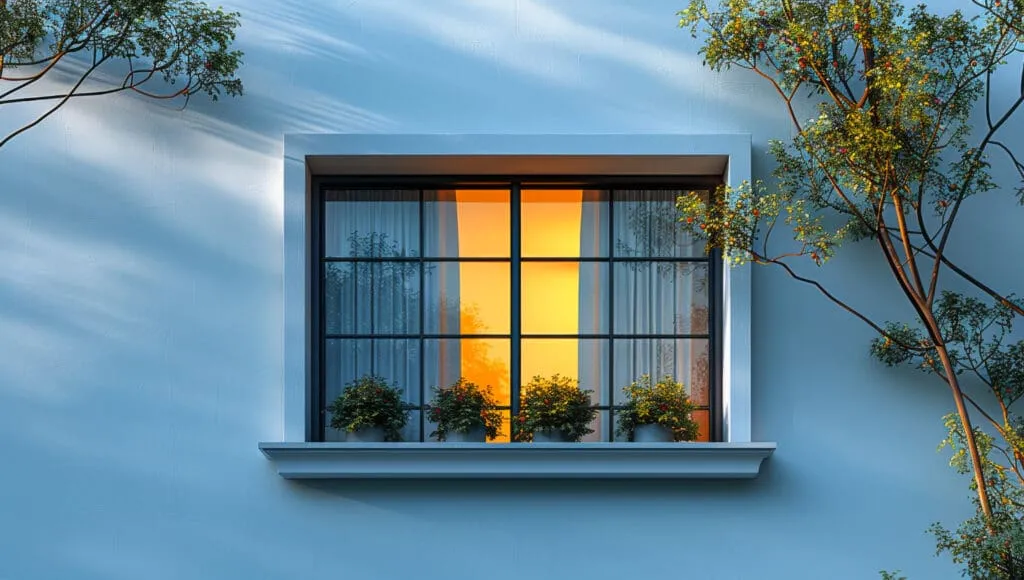
Windows are no longer simply architectural openings that provide daylight and fresh air. Modern window systems can influence a home’s comfort, energy performance, appearance, ventilation, weather protection, and security. The right combination of frame materials, glazing, hardware, seals, and installation can make a noticeable difference in how a home performs.
For homeowners considering renovation or new construction, understanding the main window options and their features makes it easier to select products suited to each room. Research into modern window systems consistently highlights the importance of looking beyond appearance and considering factors such as air sealing, glazing, frame construction, hardware, maintenance, and installation quality.
What Makes Modern Home Windows Different?
Traditional windows were often selected primarily for their appearance and ability to provide light and ventilation. Modern designs take a more performance-focused approach. Manufacturers can combine improved frames, insulated glazing, weather seals, advanced locking mechanisms, and more precise manufacturing to create windows designed for today’s homes.
A modern window should ideally balance several requirements: natural light, ventilation, thermal comfort, security, durability, ease of operation, and visual appeal. No single window style is perfect for every room, so homeowners should consider the purpose of each opening before making a decision.
Understanding the Main Types of Modern Windows
There are several popular window styles available today, and each operates differently.
Casement Windows
Casement windows are hinged on one side and open outward or inward like a door. When closed, the sash can press firmly against the frame and seals, which can help reduce air leakage when the system is properly designed and installed. They can also provide a large opening for ventilation.
Casement windows can work particularly well in bedrooms, kitchens, studies, and other rooms where controlled ventilation is important.
Sliding Windows
Sliding windows operate by moving one or more panels horizontally along a track. Their major advantage is that they do not require a swinging area, making them practical where exterior or interior space is limited.
Modern sliding windows can also offer good energy performance when they use efficient glazing, appropriate weatherstripping, quality frames, and professional installation. Performance should therefore be judged by the specifications of the complete window rather than its operating style alone.
Tilt-and-Turn Windows
Tilt-and-turn windows offer two opening positions. They can tilt inward from the top for ventilation or open more fully for access and cleaning. This flexibility makes them useful for homeowners who want ventilation without always creating a large opening.
Awning Windows
Awning windows are hinged at the top and open outward from the bottom. Their design can provide ventilation while helping limit direct rain entry when conditions are suitable, making them useful for kitchens, bathrooms, and other areas where airflow is desirable.
Fixed Windows
Fixed windows do not open. Because they have fewer moving components and no operable sash, they can offer excellent airtightness and are often used where the primary goals are natural light, views, and architectural design.
Choosing the Right Window Frame Material
The frame is an important part of a window’s overall performance. Common choices include uPVC, aluminium, wood, and composite materials.
uPVC is widely used because it generally requires relatively little maintenance and can provide useful thermal insulation.
Aluminium offers strength and slim profiles, making it attractive for contemporary designs and larger glazed areas. Thermal-break systems can improve its thermal performance.
Wood provides a traditional and natural appearance but generally requires more maintenance to protect it from moisture and environmental exposure.
Composite systems combine different materials to achieve particular combinations of strength, insulation, appearance, and durability.
The appropriate material depends on the home’s climate, design, budget, maintenance expectations, and performance requirements.
Why Glazing Matters
Glass can have a major effect on window performance. Single glazing, double glazing, and triple glazing provide different levels of thermal and acoustic performance.
Low-emissivity, or Low-E, coatings can also be incorporated into suitable glazing systems to influence heat transfer. Laminated or tempered glass may provide additional safety benefits depending on the location and application.
Rather than choosing glass based only on thickness or appearance, homeowners should consider the complete glazing specification and how it works with the frame and seals.
Modern Windows and Energy Efficiency
Windows can influence how much heat enters or leaves a home. Poorly sealed or inefficient windows may contribute to drafts and uncomfortable indoor temperatures, while appropriately specified systems can help create a more stable interior environment.
Casement windows are often capable of strong sealing performance because the closing mechanism presses the sash against the frame. However, modern sliding windows can also perform well when their glazing, seals, frame design, and installation are properly engineered.
For this reason, homeowners should evaluate the complete window system rather than assuming that one style will automatically be the most efficient.
Improving Home Security With Modern Windows
Security is another important consideration when replacing windows. Modern systems can incorporate features such as multi-point locking mechanisms, reinforced frames, lockable handles, security glazing, and strong hinges.
For ground-floor windows and other vulnerable openings, laminated or impact-resistant glazing may provide an additional layer of protection. Window security also depends heavily on correct installation and the strength of the surrounding structure.
When considering products from safehomeswindowsltd, homeowners should evaluate the available frame, glazing, locking, and hardware specifications rather than focusing solely on the window’s appearance.
Windows and Home Comfort
Good windows can contribute to a more comfortable interior in several ways. They can provide natural daylight, support ventilation, reduce unwanted drafts, and help manage outdoor noise when appropriate glazing and sealing systems are selected.
Room orientation also matters. A large glazed area may be desirable for views and daylight, while rooms exposed to intense sunlight may require appropriate glass specifications, shading, blinds, or other measures to manage solar heat.
Choosing Windows Room by Room
Different rooms have different requirements.
Living rooms may benefit from large glazed areas, sliding systems, or combinations of fixed and opening windows.
Bedrooms often benefit from good ventilation, reliable locks, and effective sound and weather sealing.
Kitchens need practical ventilation and easy operation, making casement or awning configurations worth considering.
Bathrooms generally require privacy, moisture resistance, and adequate ventilation.
Home offices can benefit from natural light and glazing designed to reduce unwanted outside noise.
Using different window styles throughout the same home can therefore be more practical than selecting one style for every opening.
The Importance of Professional Installation
Even a high-quality window can perform poorly if it is incorrectly installed. Gaps around the frame, poor sealing, incorrect alignment, or inadequate flashing can contribute to drafts, water infiltration, operating problems, and premature wear.
Installation should therefore be treated as part of the overall window system. Accurate measurements, appropriate fixing methods, perimeter sealing, drainage considerations, and final adjustment all contribute to long-term performance.
Maintenance for Long-Lasting Windows
Modern windows are generally designed to reduce maintenance, but they still require periodic attention. Homeowners should keep tracks and drainage channels clean, inspect seals, check locking mechanisms, and ensure moving hardware operates smoothly.
Damaged weatherstripping, loose hardware, cracked glass, or difficult operation should be addressed rather than ignored. Regular inspection can help identify small problems before they become more expensive repairs.
How to Choose the Right Modern Windows
Before purchasing new windows, consider the following questions:
- What type of ventilation does each room need?
- How much space is available for the window to open?
- Is energy efficiency a major priority?
- What level of security is appropriate?
- Is outside noise a concern?
- Which frame material suits the property?
- Would double or triple glazing be appropriate?
- How much maintenance are you prepared to perform?
- What warranty is provided?
- Will the windows be professionally measured and installed?
Comparing these factors can help homeowners make decisions based on the actual requirements of their property rather than simply choosing the most attractive design.
Final Thoughts
Modern home windows combine design and performance in ways that go far beyond simply letting sunlight into a room. Casement, sliding, tilt-and-turn, awning, and fixed windows each have different strengths, while frame materials, glazing, seals, hardware, and installation can significantly influence the final result.
A successful window project begins with understanding the home’s needs and matching each opening with an appropriate system. Whether the priority is ventilation, security, energy performance, natural light, or contemporary appearance, careful planning can help create a home that is more comfortable and functional for years to come.
