

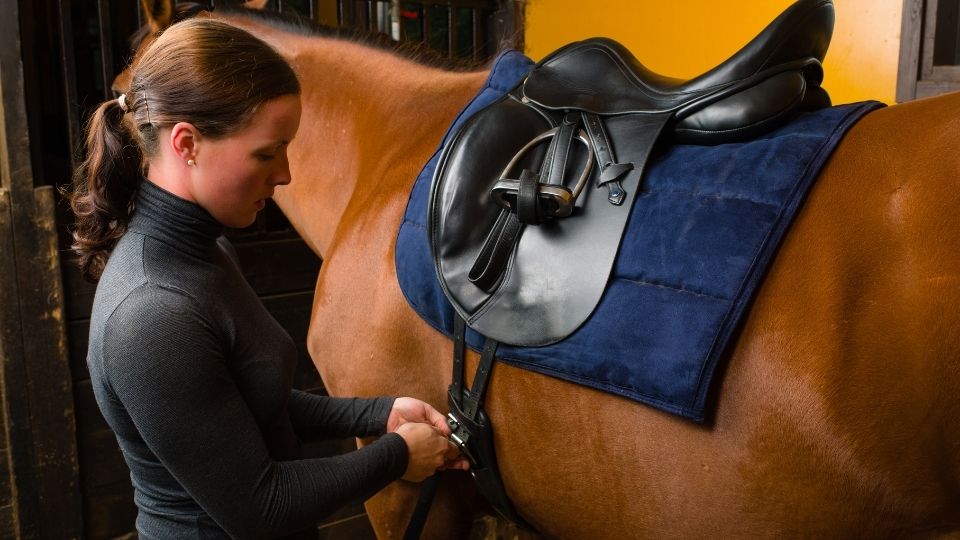
Choosing the right saddle is one of the most important decisions a rider can make. A saddle is not just a piece of riding equipment—it creates the connection between horse and rider while supporting balance, comfort, and communication during every ride.
For riders purchasing their first piece of Western tack or upgrading their current setup, understanding what makes a quality Western saddle can make the buying process much easier.
Western saddles are designed for different riding purposes, meaning the best option depends on how you ride, your horse’s build, and the activities you enjoy. A saddle designed for trail riding will have different characteristics than one built for roping or competition events.
What Is a Western Saddle?
A Western saddle is a type of riding saddle originally developed for ranch work and long hours on horseback. Over time, different versions evolved to support activities such as trail riding, cattle work, and Western competitions.
Unlike many other saddle styles, Western saddles typically feature:
- A horn at the front
- A deeper seat
- Wider stirrups
- A strong saddle tree
- A cinch-based attachment system
The saddle tree is one of the most important components because it determines the overall shape, weight distribution, and fit of the saddle on the horse.
A properly selected saddle should support the rider while allowing the horse to move comfortably.
Different Types of Western Saddles
Western saddles are available in several designs because riders have different needs.
Trail Saddles
Trail saddles are designed for comfort during recreational rides and longer hours on the trail.
They often focus on:
- Rider comfort
- Balanced weight distribution
- Stable seating
- Storage options for trail equipment
These saddles are popular among riders who enjoy outdoor adventures and relaxed riding.
A comfortable trail saddle should support both horse and rider while allowing freedom of movement.
Ranch Saddles
Ranch saddles are designed for riders who spend time working around livestock or need durable equipment for regular use.
Common features include:
- Strong construction
- Reliable materials
- Stable seating position
- Support for long working hours
These saddles prioritize durability because ranch environments often require equipment that can handle frequent use.
Roping Saddles
Roping saddles are built for riders involved in cattle roping activities. They are designed to provide strength and stability during demanding movements.
Typical characteristics include:
- Reinforced construction
- Strong horn design
- Secure rider position
- Durable materials
The design helps riders manage the physical demands of roping activities.
Barrel Racing Saddles
Barrel racing saddles are designed for speed events where quick turns and rapid movement are required.
They commonly include:
- Lightweight construction
- Secure seating
- Supportive cantle design
- Features that allow horse movement
A barrel saddle helps riders maintain balance while allowing horses to move freely during competition.
All-Around Saddles
For riders who participate in different activities, an all-around saddle can be a practical choice.
These saddles are often suitable for:
- General Western riding
- Lessons
- Light ranch work
- Recreational riding
They provide versatility for riders who do not need a specialized saddle for one specific discipline.
How to Choose the Right Western Saddle
Selecting a saddle requires considering both the rider and the horse.
Consider Your Riding Style
The first step is understanding how you plan to use the saddle.
Ask yourself:
- Do you mainly ride trails?
- Do you work with livestock?
- Are you interested in competitions?
- Do you need an everyday saddle?
Matching the saddle style to your main activity helps ensure better comfort and performance.
Check Horse Fit
A saddle should fit the horse correctly. Poor fit can create discomfort and affect movement.
Important considerations include:
- Tree width
- Saddle length
- Horse back shape
- Weight distribution
A saddle that fits one horse may not fit another, so riders should always consider their individual horse’s needs.
Select the Correct Seat Size
Rider comfort is equally important.
A properly sized seat allows riders to maintain balance without feeling restricted.
Factors to consider include:
- Rider body size
- Riding position
- Personal comfort preference
The rider should feel secure while still having enough room to move naturally.
Evaluate Materials and Construction
Quality materials influence how long a saddle lasts.
Look for:
- Durable leather
- Strong stitching
- Reliable hardware
- Proper construction
A well-made saddle can provide years of use when maintained correctly.
New vs Used Western Saddles
Riders often decide between purchasing a new or used saddle.
Benefits of a New Saddle
A new saddle provides:
- Fresh materials
- Current designs
- No previous wear
- More predictable condition
For riders who want a specific style or fit, a new saddle can be a good option.
Benefits of a Used Saddle
Used saddles can offer:
- Lower cost
- Access to quality brands
- Broken-in leather
- More available styles
A well-maintained used saddle can still provide excellent performance. However, buyers should carefully inspect condition, including the tree, leather, stitching, and hardware.
Maintaining Your Western Saddle
Proper care helps protect your saddle and extend its usable life.
Clean Regularly
Remove dirt and sweat after riding to protect leather.
Condition Leather
Leather conditioner helps maintain flexibility and appearance.
Store Properly
Keep saddles in a dry area away from excessive moisture and temperature changes.
Inspect Regularly
Check:
- Stitching
- Buckles
- Cinch areas
- Leather condition
Regular maintenance helps identify small issues before they become larger problems.
Final Thoughts
Choosing the right Western saddle requires understanding your riding style, your horse’s needs, and the features that matter most for your activities.
Whether you enjoy trail riding, ranch work, or Western competitions, the right saddle can improve comfort and create a better riding experience for both horse and rider.
For riders looking for quality Western riding equipment, Saddle Up Colorado offers a selection of new saddles designed for different riding styles and needs. Explore available options to find a saddle that supports your riding goals and helps you enjoy every ride.
